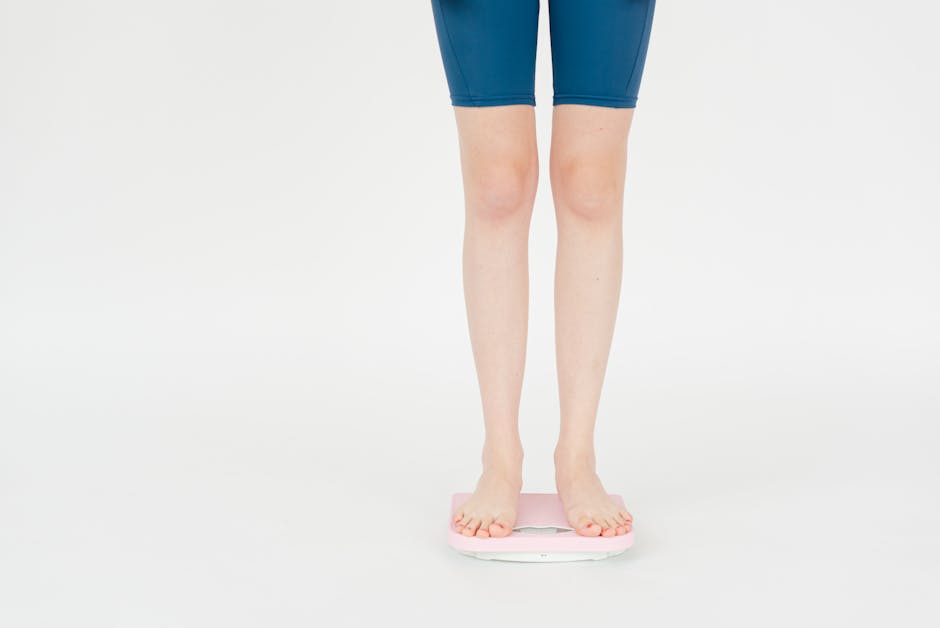

A 2023 NIH-backed review found that body weight alone can miss meaningful changes in fat mass and lean mass during fitness programs, which is why more consumers are turning to smart scales that estimate body composition at home.
Key Takeaways: The best smart scales balance measurement consistency, app quality, and long-term usability. For most households, the top options offer solid trend tracking, multi-user support, and health-platform syncing, but no smart scale should be treated as a diagnostic device. This is informational content, not medical advice.
Smart scales promise more than a number on the bathroom floor. They estimate body fat, muscle mass, water percentage, bone mass, and sometimes visceral fat by using bioelectrical impedance analysis, or BIA.
That sounds highly technical, but the real buying question is simple: which smart scales provide the most useful data for tracking progress over time? Based on published specs, expert reviews, and health-source guidance, these are the best smart scales for tracking body composition in 2026.
What smart scales can and cannot tell you
Most smart scales use BIA, which sends a very small electrical current through the body. Because fat, muscle, and water conduct electricity differently, the scale estimates body composition using algorithms plus your age, sex, height, and weight.
Major health organizations such as the Mayo Clinic and NIH note that these estimates can fluctuate with hydration, meal timing, exercise, and even foot placement. That means a smart scale is best used for trend tracking, not for treating any single reading as exact.
- Best use: watching weekly and monthly direction changes
- Less useful: obsessing over day-to-day body fat swings
- Most important habit: weigh under similar conditions each time
How the best smart scales were compared
This comparison focuses on four things that matter most for practical home use: measurement consistency, app experience, ecosystem support, and hardware value. It also weighs expert coverage from sources such as Wirecutter and PCMag, along with manufacturer specifications and clinical context from Mayo Clinic and NIH research.
The criteria below shaped the rankings:
- Body composition metrics: body fat, muscle, water, bone, visceral fat, BMI
- Connectivity: Wi-Fi, Bluetooth, Apple Health, Google Fit, Fitbit, Garmin, Samsung Health support
- Battery life: rechargeable vs AAA cells, and realistic replacement intervals
- Durability: tempered glass, max capacity, and bathroom-ready build quality
- Household usability: multiple profiles, athlete mode, pregnancy mode, guest mode

Best smart scales for body composition in 2026
The models below stand out for different reasons. Some prioritize app depth and trend reporting, while others win on value, display design, or ecosystem compatibility.
| Scale | Estimated Price | Connectivity | Battery Life | Water Resistance | Key Strength |
|---|---|---|---|---|---|
| Withings Body Comp | $199-$220 | Wi-Fi + Bluetooth | Up to 15 months | Not officially IP-rated | Best overall data ecosystem |
| Withings Body Smart | $99-$109 | Wi-Fi + Bluetooth | Up to 15 months | Not officially IP-rated | Best value premium pick |
| Eufy Smart Scale P2 Pro | $70-$90 | Bluetooth | About 12 months | IPX5 | Strong budget feature set |
| Garmin Index S2 | $149-$159 | Wi-Fi | Up to 9 months | Not officially IP-rated | Best for Garmin users |
| Wyze Scale X | $34-$44 | Bluetooth | Up to 22 months | IPX3 | Best under $50 |
| Renpho Smart Scale C/Bluetooth models | $25-$40 | Bluetooth | 6-12 months | Varies, often not IP-rated | Mass-market affordability |
| Fitbit Aria Air | $49-$59 | Bluetooth | About 6 months | Not officially IP-rated | Best simple Fitbit companion |
1. Withings Body Comp: best overall smart scale
The Withings Body Comp is the most complete option for buyers who want more than basic body fat estimates. In addition to weight, body fat, muscle mass, water percentage, bone mass, and visceral fat estimates, it adds advanced features such as standing heart rate and segmental-style wellness insights in the Withings app.
Its biggest advantage is connectivity. Wi-Fi sync is more convenient than Bluetooth-only models because weigh-ins upload automatically even when your phone is not beside you. According to expert roundup coverage from Wirecutter and PCMag, that friction reduction matters more over time than flashy metrics.
- Max weight: around 400 lb / 180 kg
- Battery: rechargeable, roughly 12-15 months per charge cycle profile
- Display: large color screen
- Best for: households that want rich trend data and app support
The downside is price. For many people, its extra metrics will not improve decisions enough to justify the premium over the cheaper Body Smart.

2. Withings Body Smart: best balance of price and quality
If the goal is practical body composition tracking without overspending, the Withings Body Smart hits the sweet spot. It offers many of the same core metrics as the higher-end model, including body fat, muscle mass, water percentage, and visceral fat estimates, while keeping Wi-Fi syncing and excellent app support.
This is the scale that makes the strongest case for everyday users. It is easier to recommend than many lower-cost options because the app and sync experience are consistently polished, and consistency is what keeps people engaged.
For buyers comparing value rather than chasing every possible metric, the Body Smart is arguably the smartest purchase in the category.
3. Eufy Smart Scale P2 Pro: best budget scale with strong features
The Eufy Smart Scale P2 Pro packs an unusually long features list for the price. Depending on the regional version, it can estimate a wide range of metrics, often marketed as 16 body composition measurements, and it supports 3D body model visualization in the app.
Its main limitation is that Bluetooth-only scales require your phone to be part of the routine. That is not a deal-breaker, but it adds friction compared with Wi-Fi models. Still, PCMag and budget-focused reviewers have repeatedly highlighted Eufy scales as strong value picks.
- Battery: usually 4 AAA batteries, roughly 12 months
- Water resistance: IPX5 splash resistance
- Profiles: multi-user with baby and pet modes on some versions
- Best for: cost-conscious buyers who still want broad metrics

4. Garmin Index S2: best for Garmin training ecosystems
The Garmin Index S2 makes the most sense for runners, cyclists, and endurance users already inside Garmin Connect. It measures weight, body fat percentage, BMI, skeletal muscle mass, bone mass, and body water percentage, then syncs directly with the broader training dashboard.
That integration matters. A scale becomes more useful when body weight and composition trends sit next to resting heart rate, training load, sleep, and VO2 max-style estimates. For Garmin users, the scale fits into a larger performance picture better than most competitors.
The trade-off is that its app experience is more training-centric than lifestyle-friendly. Buyers outside the Garmin ecosystem may find Withings easier to live with.
5. Wyze Scale X: best cheap smart scale for most people
The Wyze Scale X is one of the easiest recommendations under $50. It covers key metrics, supports multiple users, and keeps battery life impressive for the price, often around 22 months from AAA cells under typical use.
Its body composition estimates should be treated as rough trend signals, just like any consumer BIA scale. But for buyers who want a low-cost starting point without diving into the very cheapest no-name products, Wyze offers a safer middle ground.
Accuracy on consumer scales is less about matching a lab exactly and more about reproducing a similar result under similar conditions. In that respect, Wyze performs well enough for habit-building.

6. Renpho smart scales: best for marketplace shoppers on a tight budget
Renpho dominates online marketplaces because it offers many Bluetooth smart scales at aggressive prices. For buyers who want app-based trend charts, Apple Health syncing, and basic body composition estimates for as little as $25 to $40, Renpho remains one of the most visible options.
The upside is obvious: low entry cost. The downside is that app quality, sensor consistency, and model-to-model differences can be less predictable than with top-tier brands.
That makes Renpho a reasonable starter pick, but not the strongest long-term buy if daily usability and ecosystem polish matter more than initial savings.
7. Fitbit Aria Air: best for simple weight tracking, not deep composition
The Fitbit Aria Air belongs on this list mostly as a caution for shoppers who assume every smart scale does full body composition analysis. It focuses on weight and BMI sync with the Fitbit app, rather than delivering the broad composition metrics of the other models here.
That simplicity can still be useful. If a buyer already uses Fitbit and only wants easy weight logging, it is a clean option. But for the specific goal of tracking body composition, it is not as competitive.
| Model | Body Fat | Muscle Mass | Visceral Fat | Wi-Fi | Best Use Case |
|---|---|---|---|---|---|
| Withings Body Comp | Yes | Yes | Yes | Yes | Serious long-term tracking |
| Withings Body Smart | Yes | Yes | Yes | Yes | Best value overall |
| Eufy Smart Scale P2 Pro | Yes | Yes | Varies by app metric set | No | Budget metrics depth |
| Garmin Index S2 | Yes | Yes | No dedicated common listing | Yes | Garmin ecosystem users |
| Wyze Scale X | Yes | Yes | Yes | No | Affordable routine tracking |
| Renpho models | Yes | Yes | Often yes | No | Lowest-cost entry point |
| Fitbit Aria Air | No | No | No | No | Simple weight sync |
How accurate are smart scales for body fat and muscle?
This is where expectations matter. Mayo Clinic guidance and NIH research both support the idea that home body composition tools can be useful, but estimates vary based on hydration, recent exercise, skin temperature, and menstrual cycle timing.
In plain terms, a home smart scale is better at answering “Am I trending leaner over eight weeks?” than “Is my body fat exactly 22.4% today?” That difference is everything.
- Weigh at the same time of day, ideally morning
- Use the scale before eating and after using the bathroom
- Avoid comparing readings taken after hard workouts
- Watch 4- to 8-week trends, not daily noise
Also note that most smart scales do not measure GPS performance, because they are not outdoor tracking devices. If a product page implies broader performance accuracy, focus instead on what actually matters here: repeatability of weight and BIA estimates, app reporting, and sync reliability.
What to buy based on your goal
Buy the Withings Body Smart if you want the best all-around recommendation. It offers enough data, strong sync, and fewer compromises than cheaper Bluetooth-only options.
Buy the Withings Body Comp if you want premium wellness tracking and the most robust app ecosystem. It is the closest thing to a flagship smart scale experience.
Buy the Eufy Smart Scale P2 Pro or Wyze Scale X if budget matters most. Eufy offers more feature depth, while Wyze offers better simplicity per dollar.
Buy the Garmin Index S2 if Garmin Connect is already your training hub. Integration beats isolated hardware every time.
FAQ
Are smart scales accurate enough to trust?
They are accurate enough for tracking trends, but not precise enough to replace clinical assessments. Use them to monitor direction over time rather than obsessing over a single body fat reading.
Do smart scales work for athletes?
They can, but muscular individuals may get less intuitive estimates from consumer BIA algorithms. Some scales include athlete modes, though even those should be treated cautiously.
Is Wi-Fi better than Bluetooth on a smart scale?
For most people, yes. Wi-Fi scales reduce friction because they sync automatically, which usually leads to more consistent long-term use.
Should people with medical devices use smart scales?
Many manufacturers advise people with implanted medical devices, such as pacemakers, to avoid BIA-enabled body composition measurements. Check the device safety guidance and ask a qualified clinician if unsure.
Final verdict
The best smart scales for tracking body composition are the ones that make consistent measurement easy and understandable. Right now, Withings leads on app quality and convenience, Garmin remains the best ecosystem-specific choice, and Eufy and Wyze offer strong value for budget buyers.
Just remember the central limitation: a smart scale is a trend tool, not a diagnosis machine. That distinction makes it far more useful and far less misleading.
Sources referenced: Mayo Clinic guidance on body composition and BMI context; NIH and NCBI research on BIA limitations and variability; expert product comparisons from Wirecutter and PCMag; manufacturer specifications for current model features, battery life, weight capacity, and ingress protection details where provided.
Disclaimer: This is informational content, not medical advice.