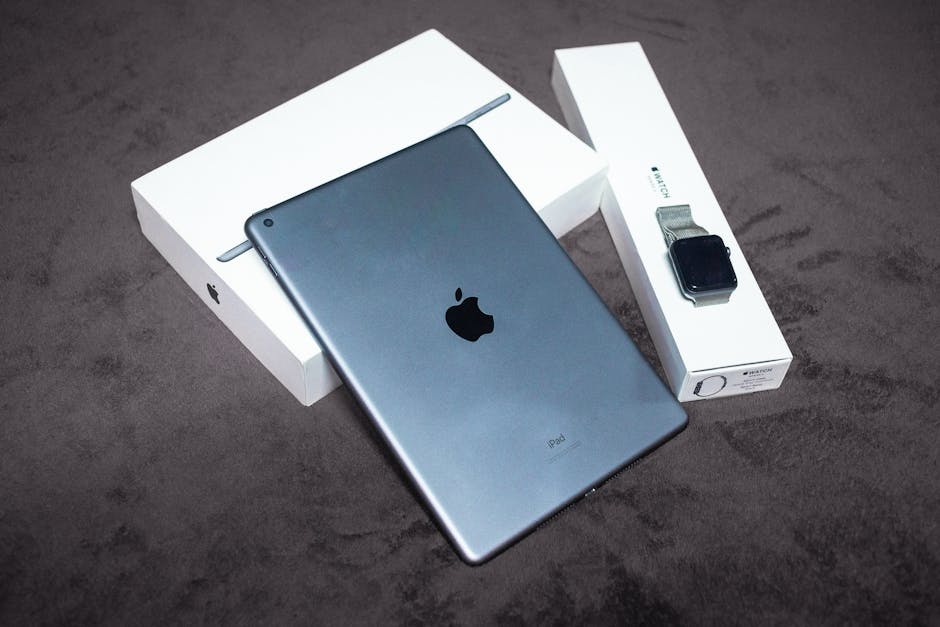
 Apple Watch displayed on a black background, highlighting sleek design and packaging.” style=”width:100%;height:auto;border-radius:8px;” loading=”lazy” />
A 2024 NIH-reviewed body of wearable research found that consumer fitness trackers can estimate heart rate well during steady exercise, but accuracy often drops for calories, sleep stages, and high-motion workouts. That gap matters when buyers assume every health metric is equally reliable.
Key Takeaways: Apple Watch generally leads on smartwatch depth, ECG features, third-party app ecosystem, and advanced health alerts. Fitbit remains stronger for battery life, simpler recovery-focused dashboards, and lower-cost entry points. For pure health tracking, the better choice depends less on brand loyalty and more on whether you prioritize long battery life, iPhone integration, sleep insights, or clinically adjacent heart features.
In the Fitbit vs Apple Watch debate, the real question is not which device has more features on a spec sheet. It is which platform turns daily movement, sleep, heart rate, and trend data into decisions people can actually use.
This comparison looks at health tracking through a research-first lens. It draws on published guidance and evaluations from Mayo Clinic, NIH-supported studies, Wirecutter, and PCMag, while comparing battery life, GPS reliability, water resistance, ecosystem fit, and ongoing subscription costs.

What Matters Most in Health Tracking
Health tracking is broader than step counts. Buyers usually need a wearable to do four things well: capture dependable baseline data, highlight meaningful trends, stay comfortable enough for 24/7 wear, and present information clearly enough to change behavior.
That is where Fitbit and Apple Watch split. Fitbit has long focused on approachable wellness metrics such as sleep, readiness, resting heart rate, and stress trends. Apple Watch takes a wider health-tech route, blending activity tracking with ECG, fall detection, irregular rhythm notifications, and tight integration with Apple Health.
- Fitbit strength: battery efficiency, sleep-focused dashboards, easier passive tracking
- Apple Watch strength: deeper smartwatch features, stronger iPhone integration, richer sensor set on newer models
- Shared strength: solid heart rate tracking for general exercise and daily trends
- Shared limitation: neither should replace professional medical assessment

Fitbit vs Apple Watch Specs at a Glance
| Category | Fitbit Charge 6 | Apple Watch Series 10 | Apple Watch SE (2nd gen) |
|---|---|---|---|
| Starting price | $159.95 | $399 | $249 |
| Battery life | Up to 7 days | Up to 18 hours | Up to 18 hours |
| GPS | Built-in GPS + GLONASS | Built-in GPS/GNSS | Built-in GPS/GNSS |
| Heart rate | 24/7 optical HR | Optical HR + advanced sensors | Optical HR |
| ECG | No | Yes | No |
| Irregular rhythm alerts | Some heart rhythm notifications depending on region/device support | Yes | Yes |
| Sleep tracking | Yes | Yes | Yes |
| Water resistance | 50 meters | 50 meters | 50 meters |
| App ecosystem | Limited compared with Apple | Very broad | Very broad |
| Phone compatibility | iPhone and Android | iPhone only | iPhone only |
Specs vary by model year and region. Prices change frequently with promotions.
Heart Rate, ECG, and Cardio Health Features
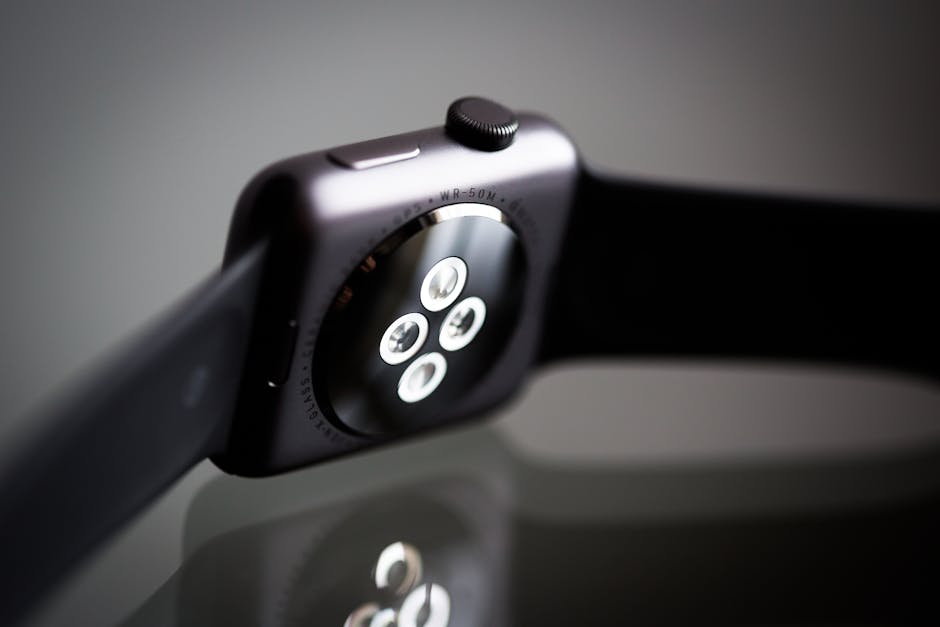
If the goal is broader cardiovascular health tracking, Apple Watch has the edge. Higher-end Apple Watch models include ECG functionality and irregular rhythm notifications, features Apple positions for detecting possible signs of atrial fibrillation and similar issues, though not as diagnostic tools.
Mayo Clinic and other major health systems consistently emphasize the same point: wearables can help surface patterns worth discussing with a clinician, but they do not diagnose heart disease on their own. That makes trend visibility and alert quality more important than marketing labels.
Fitbit still performs well for day-to-day heart rate tracking. For many users, resting heart rate trends, cardio fitness estimates, workout heart rate zones, and overnight variability are the practical metrics they use most often.
| Health Feature | Fitbit | Apple Watch | Who Benefits Most |
|---|---|---|---|
| Resting heart rate trends | Strong | Strong | General wellness tracking |
| Workout HR monitoring | Good | Very good | Exercise users |
| ECG support | Limited/absent on mainstream current Fitbit models | Available on mainline models | Users wanting deeper heart screening tools |
| Irregular rhythm alerts | More limited | More mature | Users prioritizing heart alerts |
| Health app integration | Good | Excellent | Data-heavy iPhone users |
For buyers who want the most comprehensive heart-related feature set in a mainstream wearable, Apple Watch is objectively ahead. For those who mainly want understandable heart trends without charging every day, Fitbit remains competitive.

Sleep Tracking and Recovery Insights
This is where Fitbit still makes a strong case. Wirecutter and PCMag have repeatedly highlighted Fitbit devices as approachable, sleep-friendly wearables thanks to lighter form factors, longer battery life, and dashboards built around readiness, sleep score, and recovery patterns.
Battery life changes behavior. A device that lasts close to a week is more likely to stay on the wrist overnight, and overnight wear is essential for useful sleep tracking. Apple Watch offers capable sleep tracking, but daily charging can interrupt data continuity unless the user builds a charging routine.
Fitbit also tends to surface sleep data in a more wellness-centered format. Instead of presenting raw numbers alone, it packages sleep duration, estimated sleep stages, and recovery-style summaries in a way many users find easier to follow.
- Fitbit advantage: easier all-night wear and stronger battery support for continuous sleep tracking
- Apple Watch advantage: integrates sleep data with broader Apple Health metrics and third-party apps
- Important caveat: sleep stage tracking on any consumer wearable should be treated as an estimate, not a lab-grade sleep study
For people buying primarily to improve sleep consistency, Fitbit is often the better value. For people already deep in Apple Health and willing to charge more often, Apple Watch can still work well.

GPS Accuracy, Exercise Tracking, and Workout Use
During outdoor runs, walks, and rides, both platforms are competent, but Apple Watch often gets the nod for GPS consistency and workout depth in review testing. PCMag and other reviewers frequently rate Apple Watch highly for route tracking, exercise modes, and integration with structured training apps.
Fitbit is simpler, which can be a strength or a weakness. The workout experience is less dense, but some users prefer that. It captures the basics well without turning every session into a dashboard management exercise.
Accuracy also depends on fit, skin contact, temperature, and movement type. Wrist-based heart rate tends to perform best in steady-state cardio and worse in high-intensity intervals, weight training, or activities with a lot of wrist flexion.
| Workout Factor | Fitbit | Apple Watch |
|---|---|---|
| GPS route tracking | Good for most casual users | Often stronger in comparative reviews |
| Workout app depth | Moderate | High |
| Third-party fitness apps | Limited | Extensive |
| Comfort for long wear | Usually lighter | Depends on case size and band |
| Swimming/water use | 50m water resistance | 50m water resistance |
If someone trains seriously and uses an iPhone, Apple Watch usually provides the more flexible exercise platform. If someone walks, jogs, tracks heart rate zones, and wants less friction, Fitbit may be enough.
Battery Life, Comfort, and Daily Adherence
Battery life is not just a convenience metric. It is one of the biggest predictors of whether health tracking becomes a habit. A wearable that is off the wrist for long charging sessions loses sleep data, resting heart rate continuity, and all-day movement context.
Fitbit wins this category clearly. Devices like the Charge 6 can run for about a week in typical use, though GPS-heavy workouts shorten that. Apple Watch models usually need daily charging, with some faster-charging improvements but still much shorter runtime overall.
Comfort also matters. Slimmer trackers often outperform full smartwatches in overnight adherence. That practical reality is one reason Fitbit still holds value even when Apple leads on advanced sensors.
- Best for low-maintenance tracking: Fitbit
- Best for feature-rich wrist computing: Apple Watch
- Best for all-night sleep consistency: usually Fitbit
Subscription Costs, Ecosystem Lock-In, and Long-Term Value
Device price is only the first cost. Buyers should also weigh software subscriptions and ecosystem dependency. Fitbit has historically placed some advanced insights behind Fitbit Premium, while Apple bundles much of the core health experience into the device purchase, though many users still pay for third-party fitness apps.
Platform lock-in is the bigger strategic issue. Apple Watch works only with iPhone, and that instantly removes it from consideration for Android users. Fitbit works across both major mobile ecosystems, making it the more flexible option for mixed-device households or buyers who may switch phones later.
Wirecutter has often favored Apple Watch for iPhone owners because the ecosystem fit is hard to beat. Notifications, Apple Health syncing, app support, emergency features, and watchOS updates combine into a more complete product. But that does not automatically make it the better health tracker for every person.
If the user only wants dependable wellness data at a lower cost, Fitbit often delivers stronger value per dollar. If the user wants one device for health, safety, communication, and apps, Apple Watch is easier to justify.
So Which One Actually Tracks Health Better?
The answer depends on what “better” means. If better means the broadest health-tech toolkit, especially for iPhone users, Apple Watch is the leader. It offers stronger smart features, more advanced heart-related capabilities on higher-end models, richer app support, and better integration with the wider Apple ecosystem.
If better means simpler, longer-lasting, lower-friction tracking for sleep, recovery, resting heart rate, and daily habits, Fitbit remains one of the smartest buys. Its lighter design and week-long battery life support the kind of consistent wear that good health tracking depends on.
Choose Fitbit if: you care most about sleep tracking, battery life, lower price, cross-platform support, and easy-to-read wellness dashboards.
Choose Apple Watch if: you use an iPhone, want ECG and richer heart features, need top-tier app support, and want a device that blends health tracking with full smartwatch utility.
For many users, the most accurate health tracker is the one they actually wear every day and night. On that measure, Fitbit is more competitive than headline comparisons suggest.
FAQ
Is Fitbit or Apple Watch more accurate for calories burned?
Neither should be treated as highly precise for calorie burn. NIH-linked research and broader wearable studies suggest heart rate can be fairly accurate, while calorie estimates are much more variable.
Which is better for sleep tracking, Fitbit or Apple Watch?
Fitbit is usually better for sleep-focused users because its battery lasts much longer and its interface emphasizes sleep and recovery trends. Apple Watch tracks sleep well too, but daily charging is a practical drawback.
Can Apple Watch replace a medical heart monitor?
No. Apple Watch can provide useful alerts and ECG-style features on supported models, but it is not a replacement for medical evaluation or clinical monitoring. This is informational content, not medical advice.
Is Fitbit a better value than Apple Watch?
For users who want affordable wellness tracking and fewer charging interruptions, yes, Fitbit often delivers better value. For iPhone users who want both health tracking and a premium smartwatch, Apple Watch may justify the extra cost.
Sources referenced: Mayo Clinic guidance on wearable heart monitoring and consumer health devices; NIH and NIH-indexed research on wearable sensor accuracy; Wirecutter buying analysis on fitness trackers and smartwatches; PCMag reviews and comparative testing of Fitbit and Apple Watch models.
Disclaimer: This is informational content, not medical advice.