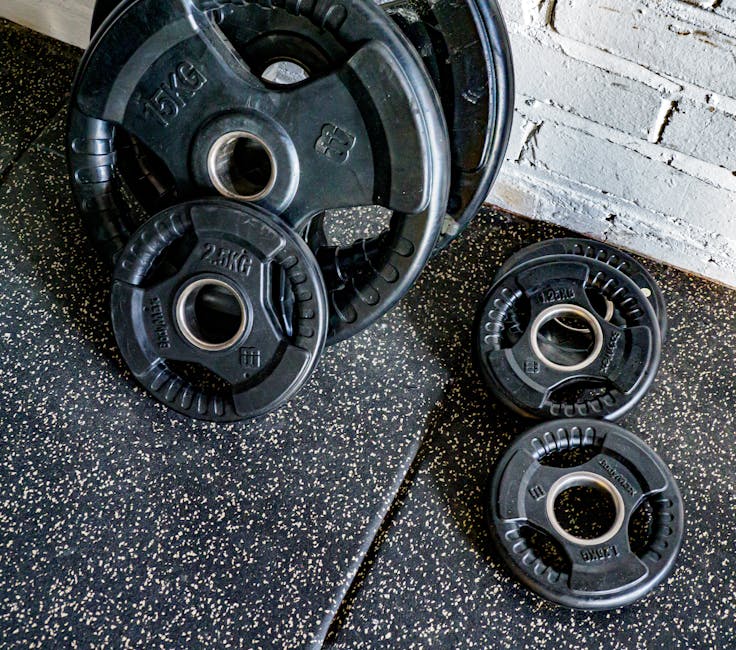

A 2022 review published in the British Journal of Sports Medicine and indexed by the NIH found that regular resistance training was associated with a 10% to 17% lower risk of all-cause mortality. That is a strong reminder that effective home fitness is not about buying the biggest machine. It is about choosing equipment you will actually use consistently.
Key Takeaways: The best home gym equipment under $500 is usually modular, space-efficient, and versatile. Adjustable dumbbells, suspension trainers, benches, kettlebells, resistance bands, and compact cardio tools often beat bulky single-purpose machines on value, storage, and long-term usability.
If you are building a home gym on a budget, the smartest move is to avoid overpaying for oversized equipment that limits exercise variety. Research from Mayo Clinic consistently supports a mix of strength training, aerobic work, and mobility practice for broad health benefits, which means your gear should support multiple movement patterns instead of one narrow exercise.
Below is a research-based comparison of the best home gym equipment under $500, with a focus on practicality, durability, training variety, and overall return on investment. Pricing can shift by retailer, but the categories and specs below reflect the typical market range seen across major fitness retailers and review outlets such as Wirecutter and PCMag.
 yoga mats, jump ropes, and dumbbells neatly arranged on a gym floor for fitness activities.” style=”width:100%;height:auto;border-radius:8px;” loading=”lazy” />
What Matters Most Under a $500 Budget
Budget home gyms work best when every dollar buys more than one outcome. That usually means choosing equipment that supports strength, conditioning, and progressive overload without dominating your living space.
- Versatility: Can one tool support many exercises?
- Storage footprint: Can it fit in an apartment, spare room, or corner?
- Progression: Can you make workouts harder over time?
- Build quality: Will it survive frequent weekly use?
- Setup friction: Equipment that is annoying to set up often gets ignored.
For most people, the best setup under $500 is not one machine. It is a compact system built around resistance training plus one cardio option.
Best Home Gym Equipment Under $500: Quick Comparison
| Equipment | Typical Price | Best For | Power/Battery | Accuracy/Resistance | Space Need |
|---|---|---|---|---|---|
| Adjustable Dumbbells | $250-$499 | Full-body strength | None | High if locking system is solid; common increments 5-52.5 lb | Low |
| Flat/Adjustable Bench | $120-$250 | Pressing, rows, step-ups | None | N/A; check weight capacity 600-800 lb total load | Medium |
| Suspension Trainer | $40-$200 | Bodyweight strength, core | None | N/A; intensity changes with body angle | Very low |
| Kettlebell Set or Single Heavy Bell | $50-$180 | Power, conditioning | None | High if weight is clearly labeled and balanced | Low |
| Resistance Band Set | $25-$90 | Joint-friendly training, travel | None | Moderate; band tension varies by stretch length | Very low |
| Walking Pad | $220-$499 | Daily steps, desk cardio | Plug-in | Speed tracking usually acceptable; calorie estimates vary | Medium |
| Jump Rope or Smart Rope | $15-$120 | Cardio intervals | None or small rechargeable battery on smart models | High for basic rope; smart rep counts vary by app | Very low |

1. Adjustable Dumbbells Are the Best Overall Buy
If you can buy only one serious piece of home gym equipment under $500, adjustable dumbbells usually offer the best value. They replace a large rack of fixed dumbbells while supporting presses, rows, squats, deadlifts, lunges, curls, and carries.
Many leading models top out between 50 and 55 pounds per hand in this price range. That is enough for beginners and intermediate users for dozens of movement patterns, especially when paired with slower tempo, unilateral work, or higher-rep training.
- Typical price: $250 to $499
- Common specs: 5-52.5 lb range, 2.5 or 5 lb increments
- Best use case: Full-body strength in small spaces
- Main downside: Some fast-adjust systems feel bulky during certain lifts
Wirecutter has repeatedly favored adjustable dumbbells because of their efficiency and storage advantage. That logic holds especially well for apartments, hybrid home offices, and first-time gym builders.
2. A Bench Multiplies the Value of Everything Else
A weight bench is not exciting, but it dramatically expands what you can do with dumbbells, bands, and bodyweight training. Presses, chest-supported rows, split squats, hip thrusts, step-ups, incline work, and seated shoulder presses all become easier to perform safely.
Look for steel construction, grippy padding, and a realistic load rating. In this category, a flat bench is often more stable, while an adjustable bench offers more exercise variety if the frame is solid.
| Bench Type | Typical Price | Back Positions | Weight Capacity | Best For |
|---|---|---|---|---|
| Flat Bench | $120-$180 | Flat only | 700-1,000 lb | Maximum stability, simpler design |
| Adjustable Bench | $150-$250 | Usually 6-9 positions | 600-800 lb | More exercise variety in one footprint |
For most users, pairing adjustable dumbbells with a decent bench creates the strongest all-around home strength setup under the $500 limit.

3. Suspension Trainers Are the Best Small-Space Option
If floor space is your biggest limitation, suspension trainers are hard to beat. A strap-based system anchored to a door, beam, or sturdy mount can train the upper body, lower body, and core using bodyweight leverage.
Mayo Clinic emphasizes that muscle-strengthening work does not require a traditional gym. Suspension systems prove that point well, especially for rows, push-ups, split squats, hamstring curls, planks, and anti-rotation movements.
- Typical price: $40 to $200
- Weight support: Often 300 lb+ depending on anchor system
- Storage: Fits in a small bag
- Best for: Travel, apartments, shared spaces
The tradeoff is progression. You can make bodyweight work harder, but it is not as precise as adding load with dumbbells.
4. Kettlebells and Bands Deliver the Best Budget Depth
Kettlebells remain one of the most efficient tools for combining strength and conditioning. A single moderately heavy kettlebell can support swings, goblet squats, deadlifts, presses, carries, and Turkish get-ups, making it a strong pick for minimalist training.
Resistance bands are even cheaper and more portable. NIH-supported rehabilitation literature often highlights elastic resistance as a practical way to maintain or improve muscular fitness, especially when joint stress or travel constraints make heavier equipment less appealing.
| Tool | Typical Price | Strength Progression | Portability | Best Use |
|---|---|---|---|---|
| Kettlebell | $50-$180 | Good, but depends on available weights | Moderate | Power, conditioning, unilateral work |
| Resistance Bands | $25-$90 | Moderate; less precise tension loading | Excellent | Accessory work, rehab, travel workouts |
If your budget is closer to $150 than $500, a kettlebell plus a quality resistance band set is one of the smartest combinations available.

5. Walking Pads Are Better Than Cheap Treadmills for Many Homes
For cardio, many shoppers automatically look at entry-level treadmills. That is often a mistake. Under $500, full-size treadmills tend to cut corners on motor strength, deck stability, and long-term reliability.
A walking pad is often the better buy for people focused on step count, light cardio, and desk use. PCMag and mainstream tech reviewers frequently note that compact walking pads fit modern home routines better than bulky cardio machines, especially for remote workers trying to reduce sedentary time.
- Typical price: $220 to $499
- Top speed: Usually 3.8 to 7.5 mph depending on model
- Motor: Commonly 2.0 to 2.5 HP
- Weight capacity: Often 220 to 300 lb
- Foldability: Many are slim enough to slide under a bed or sofa
The weakness is intensity. Walking pads are excellent for low-intensity volume but limited for serious running training.
6. Don’t Ignore the Small Gear That Improves Consistency
Smaller tools can have an outsized impact on adherence. A jump rope, exercise mat, foam roller, and mini bands may not look like “major equipment,” but they reduce friction and support warm-ups, interval work, and recovery.
Jump ropes in particular are one of the cheapest ways to add high-output cardio at home. Smart ropes with Bluetooth tracking exist in this price band, though accuracy is better treated as a convenience feature than a precise training metric.
- Jump rope: Usually $15 to $120; some smart versions use rechargeable batteries lasting several days to weeks per charge
- Exercise mat: Usually $20 to $80; look for 5-10 mm thickness
- Foam roller: Usually $20 to $60; useful for mobility routines
- Mini bands: Usually $10 to $30; good for activation and accessory work
These items are not the centerpiece of a home gym, but they often determine whether training feels smooth enough to repeat.

7. Best Setup Combinations by Budget
The smartest purchase strategy depends on your available budget and primary goal. Instead of chasing a single “best” product, match your setup to your training style.
Best Under $150
- Resistance band set
- Jump rope
- Exercise mat
- One kettlebell
Best for: Beginners, small apartments, travel-friendly workouts.
Best Under $300
- Suspension trainer
- Kettlebell or pair of fixed dumbbells
- Bench or mat depending on space
Best for: Balanced strength and mobility work without large storage needs.
Best Under $500
- Adjustable dumbbells
- Adjustable or flat bench
- Mini bands or jump rope
Best for: Most users seeking the best all-around strength setup under budget.
For cardio-first users, swapping the bench for a walking pad can make more sense. For strength-first users, dumbbells and a bench still provide the highest long-term ceiling.
How to Avoid the Biggest Buying Mistakes
The most common mistake is buying equipment that solves a fantasy problem instead of a real routine. If you are not already committed to frequent running, a cheap treadmill may become an expensive clothes rack. If you do not enjoy complex assembly, all-in-one gym towers can become dead weight.
A second mistake is overvaluing app features. Many connected fitness products advertise tracking, subscription coaching, or smart analytics, but the hardware still needs to be stable, repairable, and useful without a costly ongoing plan.
Finally, watch practical specs that directly affect safety and lifespan:
- Weight capacity: Higher limits often signal sturdier construction.
- Warranty: Especially important for walking pads and adjustable mechanisms.
- Water resistance: Rarely relevant for gym equipment, but useful for smart ropes or connected accessories if you train in garages or humid spaces.
- Replacement parts: Especially important for benches, dumbbell cradles, and moving cardio decks.
This is informational content, not medical advice.
FAQ
What is the best single piece of home gym equipment under $500?
For most people, adjustable dumbbells are the best single purchase because they support the widest range of progressive strength exercises in the smallest footprint.
Is a walking pad worth it over a treadmill?
If your goal is daily movement, desk walking, or light indoor cardio, a walking pad is often a better value under $500. For serious running, entry-level treadmills in this price band are usually compromised.
Can resistance bands really build muscle?
Yes, resistance bands can support muscle growth, especially for beginners and accessory work. The main limitation is less precise loading and progression compared with dumbbells or barbells.
How much space do I need for a good home gym?
A functional setup can fit in a small corner, bedroom, or office. Adjustable dumbbells, a bench, and bands can create a highly effective training station without requiring a dedicated room.
Sources referenced: Mayo Clinic guidance on strength training and exercise benefits; NIH-indexed studies on resistance training and health outcomes; product category reporting and comparative testing frameworks from Wirecutter and PCMag.