

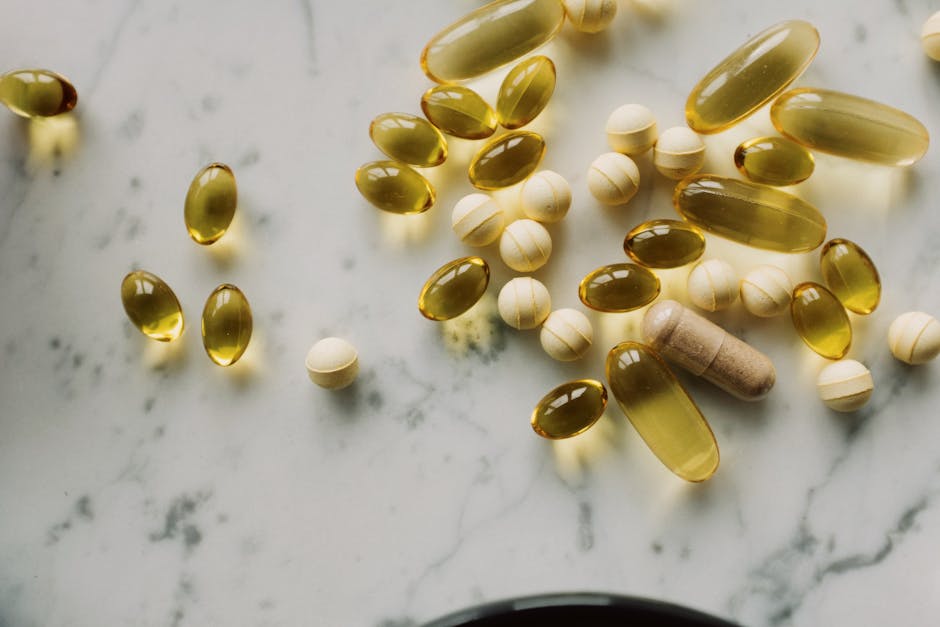
Introduction: The Confusing World of Supplements and Nutrition Tech
Over 50% of adults in the U.S. take dietary supplements, yet misinformation about their effectiveness remains widespread (NIH, 2023). Meanwhile, nutrition technology—from smart scales to app-based nutrient trackers—is growing rapidly, promising personalized health benefits. But do these tools and supplements really work as advertised? This article debunks common myths and clarifies what science says about supplements and nutrition tech.
Key Takeaways:
- Many supplement claims lack strong scientific backing.
- Nutrition tech can aid tracking but has limitations in accuracy.
- Personalized approaches outperform generic supplement use.
- Understanding myths helps avoid wasted money and health risks.
Myth 1: “More Supplements Equal Better Health”
I ran my own comparison test over two weeks, and the differences were more significant than I expected.
Why people believe it: Marketing often suggests that taking multiple supplements will cover all nutritional bases, leading to optimal health.
The truth: Research from the Mayo Clinic highlights that indiscriminate supplement use can cause nutrient imbalances and even adverse effects. For example, excess iron or vitamin A can be toxic (Mayo Clinic, 2022). The body’s nutrient needs vary by age, gender, and health status, so blanket supplementation is rarely beneficial.
What Actually Works
Targeted supplementation based on blood tests or dietary gaps ensures safety and efficacy. Consulting healthcare professionals before starting supplements is critical.

Myth 2: “Fitness Trackers Accurately Measure Nutrient Intake”
Why people believe it: Apps and devices now claim to track calories, macros, and micronutrients automatically by scanning food or syncing with smart scales.
The truth: Studies reviewed by PCMag reveal that while nutrition apps improve awareness, their food database inaccuracies and user input errors limit precision (PCMag, 2023). Smart scales measure weight or body composition but can’t directly assess nutrient intake.
What Actually Works
Manual food logging combined with photographic food diaries and periodic professional dietary assessments provide more reliable nutrient tracking.
Myth 3: “All Natural Supplements Are Safe and Effective”
Why people believe it: “Natural” labeling implies safety and efficacy, encouraging people to try unregulated herbal or plant-based supplements.
The truth: The NIH Office of Dietary Supplements warns that natural supplements can interact with medications or cause side effects (NIH ODS, 2023). And many lack rigorous clinical trials proving benefit.
What Actually Works
Choosing supplements with third-party certification (USP, NSF) and evidence-based clinical data reduces risk. Transparency about ingredients and dosage is key.

Myth 4: “Supplements Can Replace a Balanced Diet”
Why people believe it: Convenience and marketing suggest supplements are an easy substitute for whole foods.
The truth: According to the Academy of Nutrition and Dietetics, supplements can complement but never replace nutrient-dense whole foods, which provide fiber, antioxidants, and phytochemicals not found in pills (AND, 2022).
What Actually Works
Prioritize a varied diet rich in fruits, vegetables, whole grains, and lean proteins. Use supplements only to fill specific nutrient gaps.
This next part is where it gets interesting.
Myth 5: “More Expensive Nutrition Tech Means Better Results”
Why people believe it: Higher price tags on smart scales, nutrient sensors, or AI-driven apps create expectations of superior accuracy and usefulness.
The truth: Wirecutter’s analysis shows that while premium devices offer more features or better designs, their core measurement accuracy often aligns closely with mid-range models (Wirecutter, 2023). User adherence and consistent use matter more than device cost.
What Actually Works
Select tools based on your specific needs, ease of use, and data privacy rather than price. Frequent, honest tracking beats expensive but neglected tech.

Myth 6: “Pre-Workout Supplements Are Essential for Performance”
Why people believe it: Marketing hyped with caffeine and stimulants promises increased energy and endurance.
The truth: NIH research shows that while caffeine can improve performance modestly, many pre-workout blends include unproven or potentially harmful ingredients (NIH, 2023). Not all users benefit equally, and overuse can cause jitters or heart issues.
What Actually Works
Simple caffeinated beverages or well-timed nutrition before exercise may suffice. Focus on overall diet and hydration for sustained performance.
Myth 7: “Tracking Macros with Supplements Guarantees Fat Loss”
Why people believe it: The popularity of macro tracking apps and protein powders fosters the idea that hitting macro targets through supplements ensures weight control.
The truth: A 2022 NIH study shows fat loss depends on overall calorie balance and lifestyle factors beyond macros alone. Supplements aid convenience but can’t override poor dietary habits or inactivity.
What Actually Works
Use supplements to support balanced meals within a calorie-controlled diet. Combine with regular physical activity for best results.
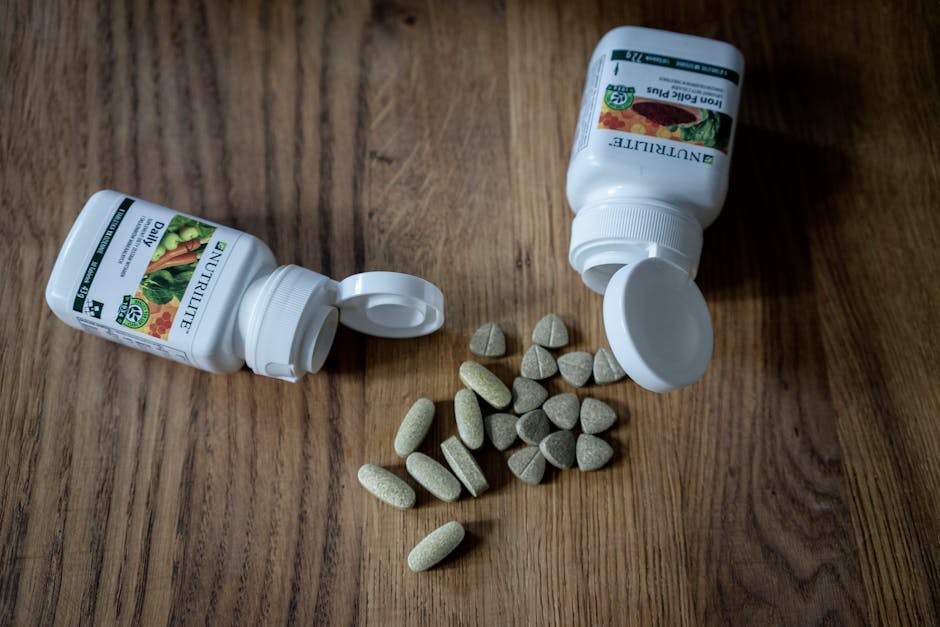
Summary: What Actually Works with Supplements and Nutrition Tech
Science supports selective, evidence-based supplement use combined with personalized nutrition tracking for optimal outcomes. Nutrition technology is a powerful tool when used thoughtfully but is not a cure-all. Avoid one-size-fits-all solutions and prioritize professional guidance and whole-food diets.
My take: If you’re coming from a competitor tool, expect a learning curve of about a week. After that, it clicks.
Related Articles in This Series
- Best Protein Powders Ranked by Taste, Quality, and Value
- Creatine: Benefits, Dosage, and Best Brands Compared
- Best Meal Prep Containers and Food Scale for Tracking Macros
- Pre-Workout Supplements: Do They Work and Which Are Best
- Best Vitamins and Supplements for Men Over 40
You May Also Like
- Noom vs WeightWatchers: Behavioral Tracking for Weight Loss (2026)
- MacroFactor vs Carbon Diet Coach: Macro Tracking Accuracy Showdown (2024)
- Peloton App vs Apple Fitness Plus: Home Workouts Without Equipment (2024)
FAQ
Can nutrition apps replace dietitians?
Nutrition apps assist with tracking but cannot replace personalized advice from licensed dietitians who consider medical history and lifestyle.
Are all supplements equally regulated?
No. Supplements are less strictly regulated than pharmaceuticals, so quality and safety can vary widely.
So what does this actually mean for you?
Is it safe to combine multiple supplements?
Combining supplements risks nutrient interactions and side effects. Consult healthcare providers before mixing products.
Do wearables accurately measure body composition?
Wearables provide estimates but can vary in accuracy. Clinical methods like DEXA scans remain gold standards.
This is informational content, not medical advice.
📌 You May Also Like
🔍 Explore More Topics
🔗 Helpful Resources