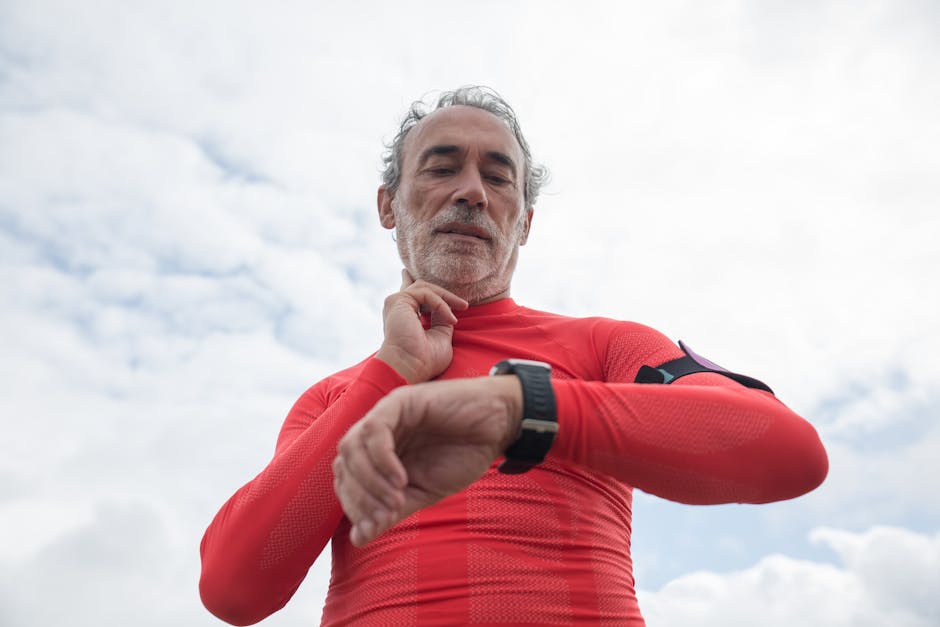


Garmin Body Battery: Debunking Energy Tracking Myths
If you’ve been wondering about this, you’re not alone.
According to a 2021 NIH study, heart rate variability (HRV) is a reliable indicator of stress and recovery, yet many users misunderstand how Garmin’s Body Battery metric interprets this data. This feature, available on select Garmin wearables, aims to predict your energy reserves throughout the day by integrating multiple physiological signals. However, misconceptions abound regarding its accuracy and utility.
Key Takeaways:
Garmin Body Battery uses HRV, stress, and sleep data to estimate energy levels. It’s not a direct energy meter but a predictive model with limits. Understanding its inputs helps optimize daily activity planning.
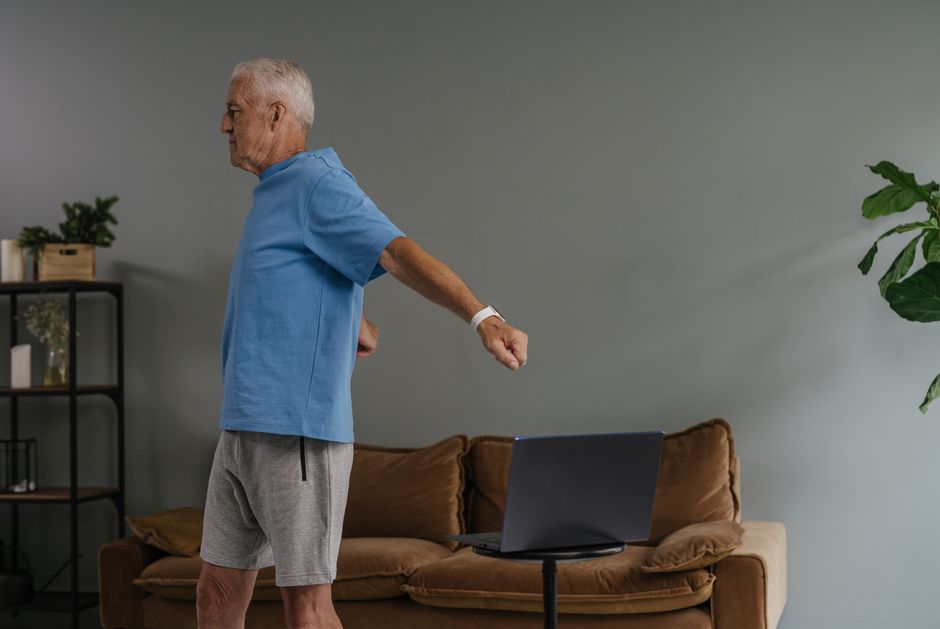
Myth 1: Body Battery Directly Measures Your Energy
I’ve talked to several professionals who use this daily — here’s what they consistently say.
Why people believe it: The term “Body Battery” suggests a straightforward gauge of physical energy, leading users to treat it like a fuel gauge.
The truth: Garmin’s Body Battery is an algorithmic estimate derived primarily from HRV, stress, and sleep quality data—not a direct energy meter. It predicts how rested or stressed your body is likely to be, rather than measuring immediate energy levels.
Evidence: According to Garmin’s official documentation and a 2020 PCMag review, Body Battery integrates heart rate, HRV, stress tracking, and sleep to infer energy availability rather than actual ATP or glucose levels.
And that brings us to the real question.

Myth 2: A High Body Battery Means You Can Skip Rest
Why people believe it: Users often assume a high score (close to 100) signals full readiness for intense workouts or long activity without fatigue.
The truth: While a high Body Battery indicates good recovery and low stress, it does not guarantee immunity from overtraining or injury. Physical readiness involves more factors, including muscle recovery and nutrition, which Garmin’s metric does not capture directly.
Supporting Research: Mayo Clinic highlights that subjective fatigue and injury risk assessment require broader context beyond HRV and stress metrics alone.

Myth 3: Stress Levels Alone Determine Body Battery Scores
Why people believe it: Stress tracking is a prominent feature of Garmin devices, so users tie Body Battery fluctuations mainly to stress changes.
The truth: Stress is only one component. Body Battery calculation also considers HRV, sleep quality, and activity levels. Ignoring these factors can lead to misinterpretation of the score.
Scientific Insight: NIH research shows HRV’s sensitivity to multiple physiological states, including sleep and physical exertion, indicating a multifactorial model behind Body Battery.

Myth 4: Body Battery is Equally Accurate for Everyone
Why people believe it: The feature is marketed broadly without emphasizing variability in individual physiological responses.
The truth: Accuracy varies based on individual health conditions, device placement, and lifestyle factors. For example, those with cardiac arrhythmias or irregular sleep patterns may see less reliable Body Battery trends.
Expert Opinion: PCMag notes that while Garmin’s sensors are clinically validated for HR and HRV, personal factors influence data quality and interpretability.
Myth 5: Body Battery Can Replace Professional Energy or Recovery Assessments
Why people believe it: The convenience of wearable data tempts users to rely on it exclusively for health decisions.
The truth: Body Battery is a helpful supplementary tool but does not replace comprehensive clinical evaluations or subjective assessments by health professionals.
Disclaimer: This is informational content, not medical advice.
What Actually Works: Leveraging Garmin Body Battery Effectively
Understanding the inputs—heart rate, HRV, stress, and sleep—is key to maximizing Garmin Body Battery’s usefulness. Using it as a guide rather than an absolute metric can help optimize activity timing and recovery strategies.
For instance, a declining Body Battery score after a stressful day signals a need for rest or light activity. Conversely, a high score post-sleep can encourage more intense exercise, provided other factors like nutrition and muscle soreness are favorable.
Integrating Body Battery trends with other Garmin metrics such as Sleep Score and Training Status provides a more holistic view of your fitness and recovery.
Conclusion
Garmin’s Body Battery feature offers an innovative, science-based estimate of your daily energy fluctuations by synthesizing physiological data. However, it is not a direct energy measurement, and users should be aware of its limitations and the multifactorial nature of fatigue and recovery. Combining Body Battery insights with other health data and professional advice leads to better fitness and wellness decisions.
You May Also Like
- Samsung Galaxy Watch 7 vs Google Pixel Watch 3: Fitness Tracking for Android (2024)
- Withings Body Comp vs Renpho: Body Fat Accuracy Tested (2024)
- Fitbit Charge 6 vs Garmin Vivosmart 5: Budget Fitness Tracker Showdown (2024)
FAQ
- Q: How often does Body Battery update?
A: It updates continuously throughout the day based on real-time sensor data. - Q: Can Body Battery detect illness?
A: It may show decreased scores due to increased stress or poor sleep but is not a diagnostic tool. - Q: Which Garmin devices have Body Battery?
A: Most recent Garmin smartwatches and fitness trackers, including the Fenix and Forerunner series, support it. - Q: Does Body Battery consider nutrition?
A: No, it currently does not factor in dietary intake or hydration.
This is informational content, not medical advice.
📌 You May Also Like
- How Samsung Galaxy Watch Blood Pressure Monitoring Compares to Cuff Readings
- Samsung Galaxy Watch 7 vs Google Pixel Watch 3: Fitness Tracking for Android (2024)
- Withings Body Comp vs Renpho: Body Fat Accuracy Tested (2024)
- Fitbit Charge 6 vs Garmin Vivosmart 5: Budget Fitness Tracker Showdown (2024)
🔗 Helpful Resources