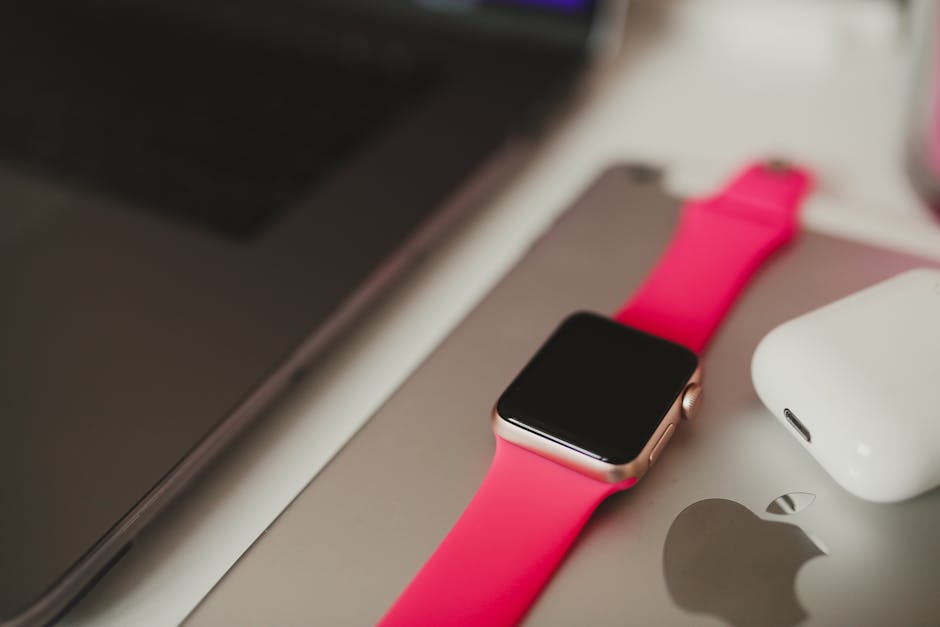

A growing body of NIH-cited wearable research keeps finding the same pattern: consumer wearables are often strongest for heart rate trends and weakest when fatigue, terrain, and movement complexity increase. For ultramarathon runners and hikers, that matters because the hardest miles are exactly where reliable GPS, battery life, and navigation become non-negotiable.
Key Takeaways: For ultramarathon battery life, mapping depth, and expedition use, the Garmin Fenix 8 is usually the stronger fit. For iPhone users who want better smartwatch apps, communication, and a more polished everyday experience, Apple Watch Ultra 3 makes a stronger case. The right pick depends less on brand loyalty and more on whether your longest day happens on a trail or in an ecosystem.

Quick Verdict
If your main goal is finishing all-day or overnight efforts with fewer charging worries, Garmin Fenix 8 has the clearer advantage. Its longer battery life, deeper training metrics, and stronger offline navigation toolkit line up better with ultramarathon and backcountry hiking demands.
If you split time between training, work, and daily smart features, Apple Watch Ultra 3 is the more balanced smartwatch. It offers strong GPS, premium build quality, cellular convenience, and a smoother app experience, but endurance athletes should still look closely at runtime limits before choosing it over Garmin.
Spec Comparison for Ultramarathon and Hiking
| Feature | Apple Watch Ultra 3 | Garmin Fenix 8 |
|---|---|---|
| Case size | 49mm titanium | Multiple sizes; common 47mm model |
| Display | OLED, high-brightness touchscreen | AMOLED or solar options depending on model |
| Battery life | Up to 36 hours typical; up to 72 hours in low power mode | Varies by version; roughly up to 16 days smartwatch on AMOLED 47mm, far longer on select solar models |
| GPS | Dual-frequency GPS | Multi-band GPS on supported models |
| Offline maps | Available, but less trail-focused overall | Stronger topographic and route-focused navigation stack |
| Water resistance | WR100; depth-rated for recreational diving to 40m | 10 ATM; dive-focused features on supported models |
| Cellular | Typically built in | Not a core selling point on most models |
| Training analytics | Good but more app-dependent | Excellent native recovery, endurance, training readiness, and performance tools |
| Phone compatibility | Requires iPhone | Works with iPhone and Android |
Apple’s official watch pages position the Ultra line as its top sports and adventure watch, while Garmin markets the Fenix 8 as a premium multisport platform built for long outdoor use. That framing matches the hardware priorities: Apple emphasizes integration, safety, and communication; Garmin leans harder into endurance and navigation.

Pricing Comparison
| Pricing Area | Apple Watch Ultra 3 | Garmin Fenix 8 |
|---|---|---|
| Starting price | About $799 | About $999 and up, depending on size and display |
| High-end configurations | Limited pricing spread compared with Garmin | Can climb substantially with larger or solar variants |
| Cellular cost | Potential carrier add-on fees | Usually no recurring cellular plan cost |
| Accessory ecosystem | Broad third-party band and app support | Strong accessory and sensor ecosystem, especially for sport |
On price alone, Apple looks more approachable. But value changes fast in endurance use: a cheaper watch is not necessarily the better buy if you need reliable multi-day tracking, detailed route guidance, or fewer compromises in GPS mode.
Why Battery Life Changes the Whole Decision
For road runners doing 60-minute sessions, battery differences can sound academic. For ultramarathon runners and hikers, they affect pacing confidence, navigation behavior, and safety margins.
Apple Watch Ultra 3 offers respectable battery life by smartwatch standards. Yet even with low power settings, its endurance profile remains much closer to a premium smartwatch than a dedicated expedition watch.
Garmin Fenix 8 is built from the opposite direction. Instead of asking how many smart features can fit into a day, it asks how much trail time can fit into a charge. That is a major difference if you are racing 50K and above, hiking all weekend, or using continuous GPS while navigating unfamiliar terrain.
Wirecutter’s fitness tracker guidance repeatedly points out the tradeoff between smartwatch convenience and longer-running GPS watches. That tension is exactly what buyers here should focus on. If charging every day or two feels normal to you, Apple is easier to live with. If you want to forget your charger for a trip, Garmin has the edge.

GPS, Mapping, and Trail Navigation
Both devices now compete seriously on location tracking. Apple’s dual-frequency GPS has improved route quality in difficult environments, and for many runners it is accurate enough for structured training, race recording, and daily adventure use.
Garmin still holds the stronger overall navigation case for backcountry users. Its route tools, breadcrumb guidance, mapping options, and trail-oriented data pages are better aligned with long outings where you may need to make decisions without a phone signal.
That matters more than raw GPS accuracy alone. In ultramarathon and hiking scenarios, the question is rarely just, “Did the route line look clean?” It is also, “Can the watch help me stay found, conserve power, and adapt when conditions change?” Garmin generally answers those questions better.
PCMag and other mainstream reviewers have long treated Garmin’s premium outdoor watches as more specialized navigation tools, while Apple’s Ultra line tends to score higher on broad smartwatch versatility. That distinction still makes sense here.
Health Metrics and Training Insights
Mayo Clinic guidance on exercise intensity emphasizes that numbers should support training judgment, not replace it. That is especially relevant in long-distance events, where heart rate drift, dehydration, terrain, weather, and sleep debt can distort what any wearable says.
Apple Watch Ultra 3 delivers a polished health dashboard, strong heart rate monitoring, activity rings, sleep tracking, and a growing set of fitness metrics. For users already in Apple Health, the data experience is clean and approachable.
Garmin Fenix 8 goes deeper on performance context. Metrics such as training readiness, recovery time, endurance-focused estimates, and structured sport profiles make it easier to translate data into training decisions. You get more native analysis without needing as many third-party apps.
NIH-linked research and expert commentary cited by Wirecutter also warn that sleep staging and calorie estimates from wearables deserve caution. So the key difference is not that one watch gives perfect truth. It is that Garmin usually gives endurance athletes more useful decision-support tools, while Apple presents a broader wellness-first experience.

Pros and Cons
Apple Watch Ultra 3 Pros
- Excellent smartwatch experience with strong app support, notifications, calling, and iPhone integration
- Dual-frequency GPS and premium build quality suit serious outdoor training
- WR100 water resistance and 40m dive rating broaden adventure appeal
- Built-in cellular convenience can be valuable for solo runners and hikers
- Brighter, more refined interface is easier for many users to navigate quickly
Apple Watch Ultra 3 Cons
- Battery life still trails Garmin for ultramarathon and multi-day hiking use
- Requires iPhone, limiting platform flexibility
- Training analysis is less sport-specific unless you add extra apps
- Offline navigation is not as trail-centric as Garmin’s broader outdoor stack
Garmin Fenix 8 Pros
- Superior battery life for long races, hikes, and expedition-style use
- Excellent training metrics for endurance planning and recovery management
- Stronger mapping and route tools for backcountry navigation
- Broad compatibility with iPhone and Android
- 10 ATM water resistance and rugged outdoor design fit hard-use conditions
Garmin Fenix 8 Cons
- Higher entry price than Apple Watch Ultra 3
- Interface can feel denser and less intuitive for casual users
- Smartwatch features are functional, not best-in-class
- Model lineup complexity can make buying decisions more confusing
Which One Should You Pick?
Pick Apple Watch Ultra 3 if you are an iPhone user who wants one device for training, work, messaging, music, and safety features. It is the better choice for people who hike and run often but still want the best everyday smartwatch experience on their wrist.
Pick Garmin Fenix 8 if your buying decision starts with ultramarathon training, long GPS sessions, or serious hiking. It is the better fit for runners doing long events, hikers using offline maps, and athletes who care more about battery headroom and performance metrics than app polish.
There is also a middle truth many buyers ignore: not every hiker needs Garmin, and not every ultrarunner needs Apple-level smart features. If your longest activities are under a day and you value ecosystem integration, Apple is easier to justify. If your watch must serve the trail first and everything else second, Garmin remains the safer bet.

Final Analysis
For the specific search query Apple Watch Ultra 3 vs Garmin Fenix 8 for ultramarathon and hiking, the most defensible answer is not “one is better at everything.” It is more precise than that.
Garmin Fenix 8 is better for ultramarathon and serious hiking. The battery life advantage, stronger native training analytics, and more capable navigation toolkit align more directly with trail endurance needs.
Apple Watch Ultra 3 is better for people who want a premium smartwatch that can also handle demanding outdoor training. It is likely the better all-around lifestyle device, but not the strongest specialist tool when race length and backcountry duration become the deciding factors.
Sources referenced in this analysis include Apple product materials, Garmin product materials, Mayo Clinic exercise intensity guidance, NIH-indexed wearable research, Wirecutter fitness tracker reporting, and mainstream review coverage from outlets such as PCMag. This is informational content, not medical advice.
FAQ
Is Apple Watch Ultra 3 accurate enough for ultramarathon training?
For many runners, yes. Its dual-frequency GPS and strong heart rate performance make it capable for structured training, but battery limits and lighter trail-navigation tools still make Garmin more practical for very long events.
Is Garmin Fenix 8 better than Apple Watch for hiking?
Usually yes, especially for long hikes and backcountry trips. Garmin’s battery life, route tools, and mapping options generally make it the stronger hiking watch.
Can Apple Watch Ultra 3 replace a Garmin for trail races?
It can for some athletes, particularly those doing shorter trail events or wanting better smart features. For all-day races, overnight efforts, or navigation-heavy routes, Garmin still has the stronger case.
Which watch is better for health tracking outside training?
Apple Watch Ultra 3 is often the better everyday health-tech companion because of its polished health ecosystem, app support, and communication features. Garmin is stronger when performance and outdoor use come first.