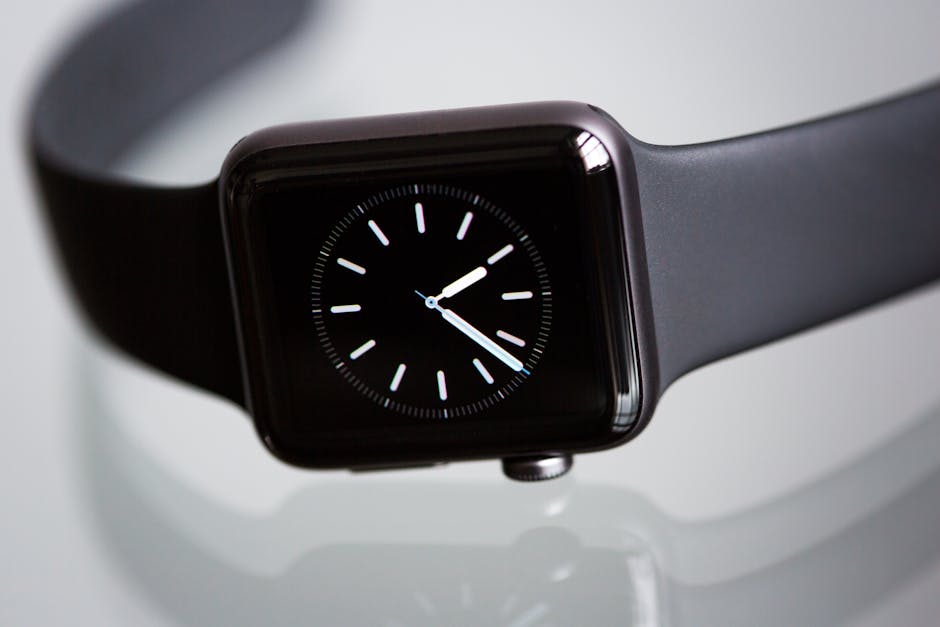
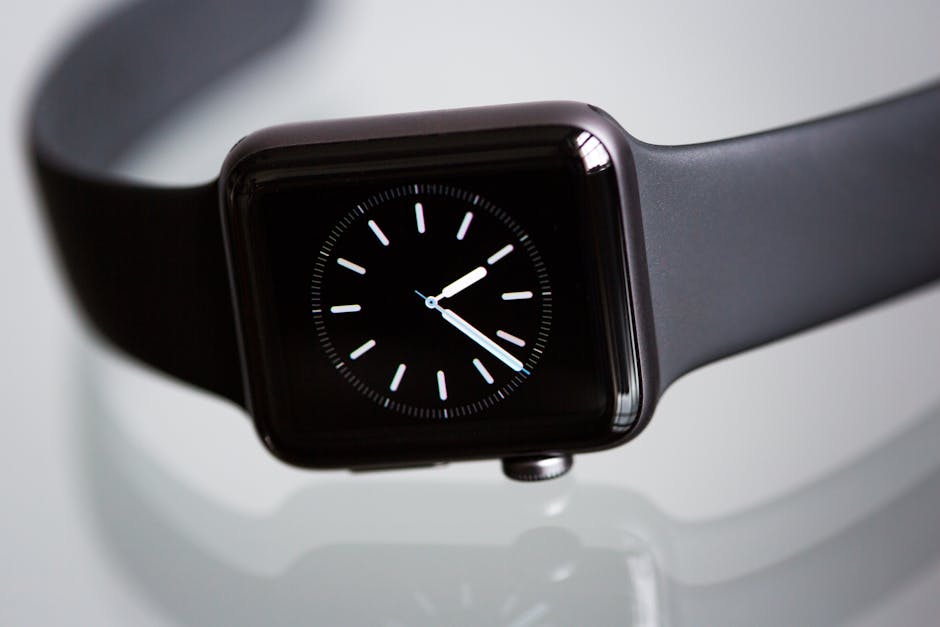
A 2023 review in the Journal of Medical Internet Research found that consumer wearables can track heart rate reasonably well during steady exercise, but accuracy often drops during intervals, strength work, and daily movement. That matters because the “best fitness tracker” is not just the one with the most features—it is the one that gives useful data when your training gets messy.
Key Takeaways: Apple Watch is typically stronger for app depth, health integrations, and workout ecosystem polish, while Samsung Galaxy Watch offers broad wellness features, strong Android integration, and competitive value. For pure fitness tracking, your phone platform and the type of training you do matter more than brand loyalty.

Quick Verdict
This one’s been on my radar for a while now.
If you use an iPhone, the Apple Watch is the more complete fitness tracking choice. Its workout app ecosystem, GPS consistency, heart rate performance, and third-party training support give it an edge for runners, cyclists, and data-focused users.
If you use an Android phone—especially a Samsung phone—the Galaxy Watch is the smarter buy. It covers the essentials well, includes strong sleep and body composition tools, and often costs less while still delivering a capable fitness experience.
That does not mean one watch universally wins. Mayo Clinic guidance on exercise monitoring emphasizes consistency and behavior change over any single metric, so the better device is the one that fits your platform, habits, and training goals.
Head-to-Head Spec Comparison
| Feature | Apple Watch Series 10 / Ultra 2 | Samsung Galaxy Watch 7 / Ultra |
|---|---|---|
| Phone compatibility | iPhone only | Android only; best with Samsung phones |
| Battery life | Series 10: about 18 hours; Ultra 2: up to 36 hours standard, longer in low power | Watch 7: roughly 24-40 hours depending on size/use; Ultra: up to around 60 hours typical |
| GPS | Dual-frequency GPS on higher-end models like Ultra 2; strong route consistency | Dual-frequency GPS on current premium models; generally solid but can vary by route density |
| Heart rate tracking | Strong during steady cardio; widely praised by reviewers | Competitive for general cardio; can be more variable during intervals |
| Water resistance | Typically WR50 on mainstream models; Ultra 2 rated for recreational diving to 40 m | Typically 5ATM plus IP68; some models also meet MIL-STD durability claims |
| Sleep tracking | Detailed stages, trends, integrations with health apps | Strong sleep coaching, snore detection, wellness scoring |
| Body composition | Not built in | Bioelectrical impedance on supported Galaxy Watch models |
| App ecosystem | Excellent: Apple Fitness, Strava, TrainingPeaks, Nike Run Club, more | Good and improving; strongest inside Samsung Health ecosystem |
| Offline music | Supported on select services/apps | Supported on select services/apps |
| Best fit | iPhone users, endurance athletes, training-data enthusiasts | Android users, general fitness users, value-focused buyers |
I’d pay close attention to this section.
Pricing Comparison
| Pricing Factor | Apple Watch | Samsung Galaxy Watch |
|---|---|---|
| Entry pricing | Usually higher for flagship models | Often lower at launch and more aggressively discounted |
| Premium model pricing | Ultra models sit in the premium outdoor/performance range | Ultra models also target premium buyers but often undercut Apple |
| LTE upgrade cost | Typically extra upfront plus carrier plan cost | Typically extra upfront plus carrier plan cost |
| Accessory costs | Bands and chargers can be relatively expensive | Bands are often easier to find at lower prices |
| Discount frequency | Less aggressive outside major retail events | Frequent sales through Samsung and big retailers |
Pricing is one of the biggest practical differences. Wirecutter and PCMag have repeatedly noted that Samsung wearables are often easier to find on sale, which can change the value equation fast if you are not locked into Apple Health.
This next part is where it gets interesting.
Fitness Tracking Accuracy: Where the Gap Shows Up
For people searching Apple Watch vs Samsung Galaxy Watch best fitness tracker, the real issue is not whether both can count steps. It is whether the data stays dependable across running, HIIT, strength training, sleep, and recovery trends.
Heart Rate Accuracy
Apple Watch models have consistently performed well in third-party testing for steady-state cardio. Reviewers at PCMag and Wirecutter have often highlighted Apple’s strong optical sensor performance during runs, walks, and cycling sessions.
Samsung’s Galaxy Watch line is usually good enough for general users, but some reviewers have reported wider swings during high-intensity intervals or sudden pace changes. NIH-backed wearable research broadly supports this pattern: wrist-based optical sensors are better during rhythmic exercise than during stop-start or weight-based sessions.
GPS Accuracy
GPS matters if you train outdoors and care about pace, splits, and route mapping. Apple has been particularly strong here, especially in newer premium models with dual-frequency GPS that helps reduce urban canyon errors.
Samsung has improved a lot, especially on newer watches, but route precision can still vary more depending on tree cover, dense buildings, and software updates. If you are marathon training or using pace zones, that small difference can become noticeable over weeks.
Strength and Mixed Workouts
Neither brand is perfect in the gym. Wrist position, gripping weights, and movement artifacts can distort calorie and heart rate readings, which is why Mayo Clinic and other health sources recommend treating wearable calorie burn as an estimate, not a prescription.
Apple tends to win on app choice for strength training logs and post-workout analysis. Samsung counters with solid automatic workout detection and broader wellness context inside Samsung Health.
Battery Life, Comfort, and Recovery Tracking
Battery life is not a minor spec. It directly affects whether you can track both workouts and sleep consistently, which is essential if you want recovery insights instead of isolated workout snapshots.
The standard Apple Watch still trails many rivals on battery life. For people who train daily and also want overnight sleep tracking, charging discipline becomes part of ownership.
Samsung usually offers more breathing room, especially on larger models and the Galaxy Watch Ultra. That makes it easier to log sleep, morning readiness, and daytime workouts without constantly thinking about the charger.
- Apple Watch advantage: — and I mean that Better ecosystem for recovery-focused apps and coaching integrations.
- Samsung advantage: More flexible battery life for 24/7 tracking.
- Tie: Both support sleep stages, stress-related wellness metrics, and guided health insights.
Samsung also has a built-in body composition feature on several models. It is interesting for trend tracking, but research and reviewer consensus suggest it should not be treated as laboratory-grade measurement. It is most useful for watching directional change over time, not absolute body fat truth.
Okay, this one might surprise you.
Software Ecosystem and Health Features
Apple’s biggest edge is software maturity. The Apple Health framework, Fitness app, and third-party ecosystem make it easier to combine activity, heart rate, sleep, recovery, and coaching data into one workflow.
That matters if you use platforms like Strava, TrainingPeaks, Nike Run Club, Peloton, or structured coaching apps. Apple Watch tends to be the smoother hub for serious training dashboards.
Samsung’s ecosystem is more unified than it used to be, and Samsung Health is better than many casual buyers expect. It provides sleep coaching, wellness scores, guided programs, and strong integration across Samsung phones, earbuds, and health features.
Still, the decision is partly locked by phone platform:
- Use an iPhone? Galaxy Watch is effectively off the table for full functionality.
- Use Android? Apple Watch is not an option.
- Use a Samsung phone? Galaxy Watch gains extra convenience and health features.
In other words, the comparison is most useful for switchers or buyers deciding which ecosystem to commit to next.
I’d pay close attention to this section.

Pros and Cons
Apple Watch Pros
- Excellent app ecosystem for fitness and training
- Strong heart rate and GPS performance in many tests
- Deep integration with Apple Health and iPhone features
- Wide support for structured workouts and third-party coaching
- Premium build quality and polished interface
Apple Watch Cons
- Requires an iPhone
- Shorter battery life on standard models
- Premium pricing, especially for Ultra and LTE variants
- Some advanced training users may still prefer dedicated sports watches
Samsung Galaxy Watch Pros
- Strong value, especially during sales
- Better battery life on many models versus standard Apple Watch
- Useful wellness extras like body composition and sleep coaching
- Very good integration with Samsung phones and Android ecosystem
- Competitive design and durability features, including 5ATM and IP68 ratings on many models
Samsung Galaxy Watch Cons
- Unavailable for iPhone users
- Workout accuracy can be less consistent in challenging conditions
- Third-party fitness ecosystem is not as deep as Apple’s
- Some health features work best only with Samsung phones
Which One Should You Pick?
Pick Apple Watch if you use an iPhone and care about training precision, app variety, and long-term health data organization. It is the better fit for runners, cyclists, gym-goers using third-party apps, and users who want more than basic activity rings.
Pick Samsung Galaxy Watch if you use Android and want a balanced mix of fitness tracking, sleep tools, wellness guidance, and better day-to-day battery life. It is especially appealing for users already inside the Samsung ecosystem.
Pick neither if your priority is multi-day endurance battery or highly specialized sports metrics. In that case, devices from Garmin, Polar, or COROS may be more aligned with long-distance training and outdoor performance.
For most mainstream buyers, though, the answer is simple:
- Best for iPhone fitness tracking: Apple Watch
- Best for Android fitness tracking: Samsung Galaxy Watch
- Best overall value: Often Samsung, depending on discounts
- Best overall software ecosystem: Apple
Stick with me here — this matters more than you’d think.
What the Research and Review Sources Suggest
There is a reason this debate stays close. NIH-linked studies on wearable validity show that modern smartwatches are increasingly useful for exercise monitoring, but no wrist wearable is perfect across every activity type.
Mayo Clinic resources also stress that wearables can support healthier routines by increasing awareness and consistency, yet they should not replace medical evaluation or individualized care. That is especially important for people interpreting heart rhythm alerts, recovery metrics, or calorie data.
Independent review outlets such as Wirecutter and PCMag generally place Apple Watch ahead on refinement and breadth, while Samsung earns praise for Android compatibility, health features, and better pricing flexibility. The pattern is not dramatic—it is practical.
If your question is “Which is the best fitness tracker?” the honest answer is platform-specific. Apple wins inside iPhone life; Samsung wins inside Android life.
FAQ
Is Apple Watch more accurate than Samsung Galaxy Watch for exercise?
In many independent reviews, Apple Watch tends to be more consistent for heart rate and GPS during outdoor cardio. Samsung is still strong for general fitness use, but Apple often has the edge in tougher tracking conditions.
Which has better battery life for sleep and workout tracking?
Samsung Galaxy Watch usually offers better battery life than the standard Apple Watch, making it easier to track sleep and workouts without frequent charging. Apple Watch Ultra narrows that gap significantly.
Can I use Apple Watch with Android or Galaxy Watch with iPhone?
No, not in a fully supported modern setup. Apple Watch requires an iPhone, and recent Galaxy Watch models are designed for Android, with the best experience on Samsung phones.
Are these watches good enough to replace medical devices?
No. They can be useful wellness and fitness tools, but they are not substitutes for clinical-grade equipment or medical guidance. This is informational content, not medical advice.
Sources referenced: Mayo Clinic guidance on fitness tracking and exercise monitoring; NIH and peer-reviewed wearable accuracy research; comparative product evaluations from Wirecutter and PCMag. Specifications and feature availability can vary by model size, region, and software version, so confirm current listings before buying.
📌 You May Also Like