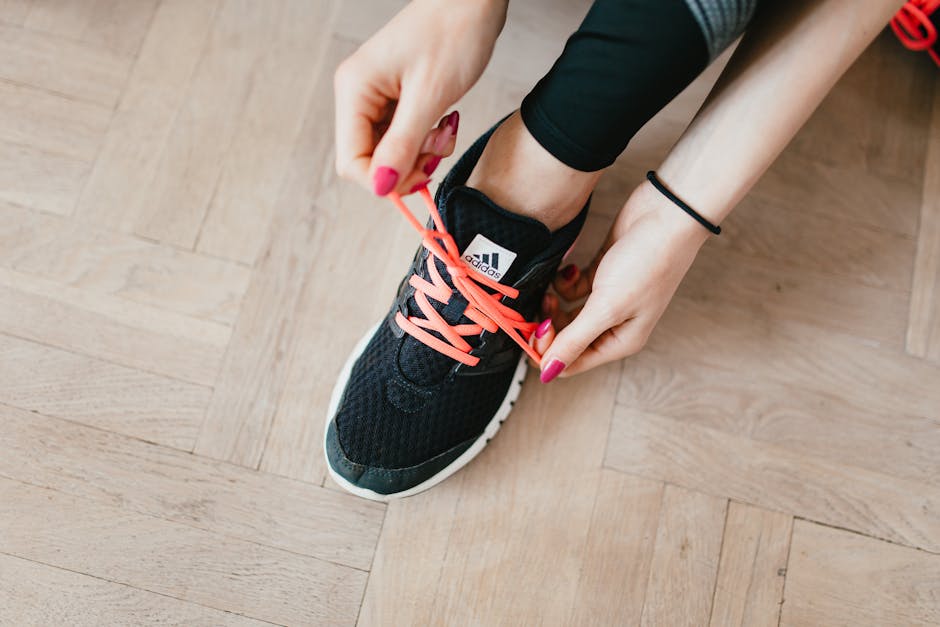

A 2021 review in the Journal of Foot and Ankle Research found that flat feet alone do not automatically predict injury, but foot structure can change how runners tolerate load, motion control, and shoe stiffness. That matters because the wrong shoe is rarely just uncomfortable—it can also change how efficiently a beginner trains.
Key Takeaways: Flat-footed runners usually do best when they focus on fit, stability, cushioning balance, and comfort under load, not marketing labels alone. A podiatrist-backed pick is typically one that reduces irritation, supports your gait pattern, and matches your weekly mileage, body size, and injury history.
If you have flat feet, the search for running shoes can get confusing fast. One brand says you need maximum support. Another says support is outdated and you should simply buy what feels natural. Then reviews throw around jargon like medial post, guidance rails, heel-to-toe drop, and overpronation as if every beginner already knows what those terms mean.
This guide simplifies the research. Instead of pretending there is one universally “best” running shoe for flat feet, it explains what podiatrists and sports medicine experts usually look for, how modern shoe categories differ, and which models are most often recommended for different kinds of flat-footed runners.
This is informational content, not medical advice. If you have pain, numbness, recurring shin splints, plantar fasciitis, or a history of stress fractures, see a podiatrist or sports medicine clinician for individualized guidance.

What Is Flat Feet, and Why Does It Matter for Running?
Flat feet, also called pes planus, means the arch of the foot is low or collapses more than expected during standing and movement. Some people have flexible flat feet, where the arch appears when not weight-bearing. Others have rigid flat feet, where the arch stays low all the time.
Why does this matter for running? Because arch shape can influence how your foot rolls inward after landing. That inward roll is called pronation. Pronation is normal. The issue is not pronation itself, but whether your foot motion, leg alignment, and tissue tolerance are a bad match for your shoe and training load.
Mayo Clinic and NIH-backed sports medicine guidance generally emphasize symptoms over labels. In other words, a runner with flat feet who is pain-free may not need an aggressive motion-control shoe. A runner with flat feet plus plantar fascia irritation, ankle instability, or knee pain may benefit from a more structured platform.

Why Shoe Choice Matters More Than Arch Labels
One of the biggest beginner mistakes is shopping by arch category alone. “Flat feet” is too broad to tell you which shoe will work. Two runners can both have low arches and need totally different shoes based on body weight, pace, preferred feel, and injury history.
Podiatrists typically look at a bigger picture:
- Stability: Does the shoe resist excess side-to-side collapse?
- Cushioning: Is impact protection soft, firm, or balanced?
- Platform width: A wider base often feels more secure for flat-footed runners.
- Midsole design: Guide rails, sidewalls, or dual-density foams can help manage motion.
- Heel counter: A firmer heel can improve rearfoot control.
- Fit: Flat feet often need more midfoot and forefoot room.
Independent reviewers such as Wirecutter and PCMag regularly note the same theme seen in medical guidance: comfort and consistent fit are often better predictors of satisfaction than arch marketing alone. That does not mean all shoes are the same. It means the best option is the one whose design features solve your specific problem.
Okay, this one might surprise you.

How Running Shoes for Flat Feet Actually Work
Modern shoes for flat-footed runners usually fall into three broad categories: neutral, stability, and motion control. Neutral shoes allow more natural motion and are often best for runners with flat feet who are comfortable and injury-free. Stability shoes add subtle structure. Motion-control shoes are usually firmer, heavier, and built for more pronounced support needs.
Here are the beginner-friendly terms that matter most:
Stability features
These may include guide rails, firmer foam on the medial side, wider midsoles, or geometry that keeps the foot centered. Modern stability shoes are usually less intrusive than older models.
Heel-to-toe drop
This is the height difference between heel and forefoot. A higher drop, such as 10-12 mm, can reduce strain on the Achilles for some runners. A lower drop may feel more natural to others, but it can increase calf and foot demand if you switch too quickly.
Stack height and foam
Taller shoes with softer foams can feel plush, but too much softness may feel unstable if you need support. Flat-footed runners often do best with cushioning that feels protective without becoming mushy.
Outsole grip and flex
A shoe that bends too easily through the midfoot may feel less supportive. Many podiatrists prefer a shoe with forefoot flexibility but enough torsional stiffness through the middle.

Getting Started: What Beginners Should Look for First
If you are buying your first serious running shoe for flat feet, start with function over hype. Ignore influencer buzzwords and ask practical questions instead.
- Do you get pain during or after runs? If yes, you may need more structure.
- Do your ankles roll inward noticeably? A stability platform may help.
- Are you walking, jogging, or training for longer distances? Higher mileage usually makes fit and cushioning more important.
- Do you wear orthotics? Make sure the shoe has removable insoles and enough volume.
- Do you have wide feet? Many flat-footed runners need wide sizing or a naturally broader toe box.
A helpful rule for beginners: if a shoe feels unstable while walking, it is unlikely to feel better at mile three. Fit problems usually become training problems.
| Shoe Model | Category | Approx. Price | Battery/Tech | Water Resistance | Why It Matters |
|---|---|---|---|---|---|
| Brooks Adrenaline GTS 23 | Stability | $140 | None | Standard road upper | Reliable guidance rails and balanced cushioning |
| ASICS Gel-Kayano 30 | Stability | $160 | None | Standard road upper | High-stack comfort with adaptive support |
| HOKA Arahi 7 | Light stability | $145 | None | Standard road upper | Lightweight feel with structured frame |
| New Balance 860v14 | Stability | $140 | None | Standard road upper | Firm, dependable support and wide-fit options |
| Saucony Guide 17 | Stability | $140 | None | Standard road upper | Wide platform and smooth transitions |
| Brooks Beast GTS 24 | Motion control | $160 | None | Standard road upper | For runners needing maximum structure |
Note: Running shoes do not have battery life in the way wearables do. For shoe comparisons, the more relevant “spec” categories are midsole geometry, weight, water resistance of the upper, and outsole durability.

Research-Backed Picks Beginners Should Know
There is no single podiatrist-approved master list, but certain shoes appear repeatedly across specialty running store recommendations, sports podiatry commentary, and long-term review outlets such as Wirecutter. These models stand out because they combine stable geometry, predictable cushioning, and broad availability.
Brooks Adrenaline GTS 23
A classic stability trainer that avoids the brick-like feel older support shoes were known for. The GuideRails system helps limit excess movement without relying only on a hard medial post.
Best for: beginners who want a stable daily trainer that does not feel harsh.
ASICS Gel-Kayano 30
This model uses a higher stack and softer foam than older Kayanos, but ASICS pairs it with a 4D Guidance System for more adaptive stability. It is often a strong choice for runners who want protection on easy miles and longer runs.
Best for: heavier runners, higher-mileage beginners, and anyone wanting plush support.
HOKA Arahi 7
The Arahi keeps the signature HOKA rocker feel while using a structured J-Frame for support. It can work well for flat-footed runners who want stability without a bulky ride.
Best for: runners who like lighter shoes and quicker transitions.
New Balance 860v14
This is one of the safer picks for runners who prioritize consistency and wider size availability. It tends to feel more traditional: stable, moderately cushioned, and straightforward.
Best for: wide feet, orthotic users, and runners who want a secure fit.
Saucony Guide 17
Saucony moved this line toward a broader, more centered platform. That makes it appealing for runners who dislike rigid support but still want help staying aligned.
Best for: flat-footed runners who want support that feels less intrusive.
Brooks Beast GTS 24
This is not for everyone, but it remains relevant for runners who need maximum structure. If moderate stability shoes still leave you feeling collapsed or unstable, this category may be worth trying with professional input.
Best for: larger runners or those with significant support needs.
| Model | Weight* | Heel-to-Toe Drop | Support Level | Best Use | Approx. Durability |
|---|---|---|---|---|---|
| Brooks Adrenaline GTS 23 | ~10.1 oz | 12 mm | Moderate | Daily training | 300-500 miles |
| ASICS Gel-Kayano 30 | ~10.7 oz | 10 mm | Moderate-High | Long easy runs | 300-500 miles |
| HOKA Arahi 7 | ~9.9 oz | 5 mm | Light-Moderate | Daily training | 300-450 miles |
| New Balance 860v14 | ~10.9 oz | 8 mm | Moderate | Daily training | 300-500 miles |
| Saucony Guide 17 | ~9.6 oz | 6 mm | Moderate | Easy to moderate runs | 300-450 miles |
| Brooks Beast GTS 24 | ~11.8 oz | 12 mm | High | Maximum support | 400-500 miles |
*Weights vary by size and men’s/women’s versions.
Advanced Tips: How to Match the Shoe to Your Body and Goals
Once you understand the basics, the next step is matching the shoe to your actual training. This is where beginners often make smarter decisions than experienced runners chasing hype.
For walking plus beginner running
Choose a stable daily trainer with moderate cushioning. The Adrenaline GTS, Guide 17, and 860v14 are common starting points.
For plantar fasciitis history
Look for a stable heel, secure midfoot, and cushioning that is protective but not overly soft. A firmer underfoot feel sometimes works better than a very squishy shoe, especially first thing in the morning.
For heavy runners
High-stack stability shoes such as the Gel-Kayano 30 can help with comfort under load. A wider base is often more useful than simply choosing the softest foam available.
For wide feet or orthotics
Prioritize volume and removable insoles. New Balance and Brooks often offer more width choices than trendier, narrower models.
For speedwork or faster feel
Do not assume your daily stability shoe must handle every run. Many flat-footed runners rotate a stable daily trainer with a lighter neutral shoe once they build strength and remain pain-free.
Also pay attention to replacement timing. Even the right shoe becomes the wrong shoe once the midsole is compressed and uneven. Most road shoes last roughly 300 to 500 miles, though heavier runners may notice breakdown earlier.
Common Pitfalls Flat-Footed Runners Should Avoid
The first mistake is buying the stiffest “support” shoe you can find. Too much correction can feel clunky, irritate the arch, and reduce comfort. More support is not always better support.
The second mistake is assuming barefoot-style or minimalist shoes are automatically healthier. Some runners do well in them, but a sudden switch can increase load on the calves, Achilles, plantar fascia, and metatarsals.
The third mistake is ignoring the upper. Flat-footed runners often focus only on midsole tech, but poor upper fit can cause lace bite, sliding, toe crowding, and instability.
The fourth mistake is treating online gait labels as diagnosis. Store foot scans and app-based gait summaries can be useful screening tools, but they are not substitutes for a clinical assessment if pain keeps returning.
Finally, do not overlook socks and lacing. A runner with flat feet and a wide forefoot may fix half their comfort problem simply by choosing a roomier size, technical socks, and a heel-lock lacing pattern.
You May Also Like
- 7 Best Running Apps for Marathon Training (Compared)
- Strava vs Nike Run Club: Which App Tracks Better?
- Withings Body Comp vs Renpho: Fat Accuracy (2026)
FAQ
1. Do flat feet always require stability shoes?
No. Many runners with flat feet do well in neutral shoes, especially if they are pain-free and feel stable. Stability shoes make more sense when you need help controlling motion or reducing symptoms.
2. Are podiatrists always in favor of motion-control shoes?
No. Current sports medicine thinking is more individualized. Many podiatrists now prefer matching the shoe to symptoms, comfort, and gait rather than prescribing the most rigid option by default.
3. Should I use orthotics with running shoes for flat feet?
Only if they help your symptoms or were recommended for a specific issue. Some runners feel better with orthotics, while others do well with a supportive shoe alone.
4. What drop is best for flat feet?
There is no universal best drop. Higher drops can feel more forgiving for the Achilles and calf, while lower drops may feel more natural for some runners. Transition gradually if you change categories.
5. How do I know if my shoes are not working?
Warning signs include arch irritation, recurring shin pain, heel slipping, numb toes, blisters, or feeling unstable on easy runs. If discomfort keeps repeating, reassess fit and support level.
6. Can walking shoes work for beginner running?
Sometimes for short run-walk sessions, but a dedicated running shoe usually offers better cushioning geometry, smoother transitions, and improved long-run comfort.
7. What sources are most useful when researching running shoes?
Start with medical and evidence-based references such as Mayo Clinic and NIH-linked studies for foot mechanics, then compare professional review labs like Wirecutter and PCMag for fit, durability, and market context.
For most beginners with flat feet, the smartest path is simple: choose a stable, comfortable trainer from a reputable line, make sure the fit is generous enough, and let pain—not marketing—tell you when you need more support. That approach is more aligned with current podiatry thinking than chasing a one-size-fits-all “best” shoe.
Sources referenced: Mayo Clinic guidance on foot pain and overuse management; NIH/PubMed-indexed research on pronation, pes planus, and running injury risk; Wirecutter running shoe reviews; PCMag product comparison coverage; manufacturer specification sheets for published shoe weights, drops, and materials.
This is informational content, not medical advice.
📌 You May Also Like