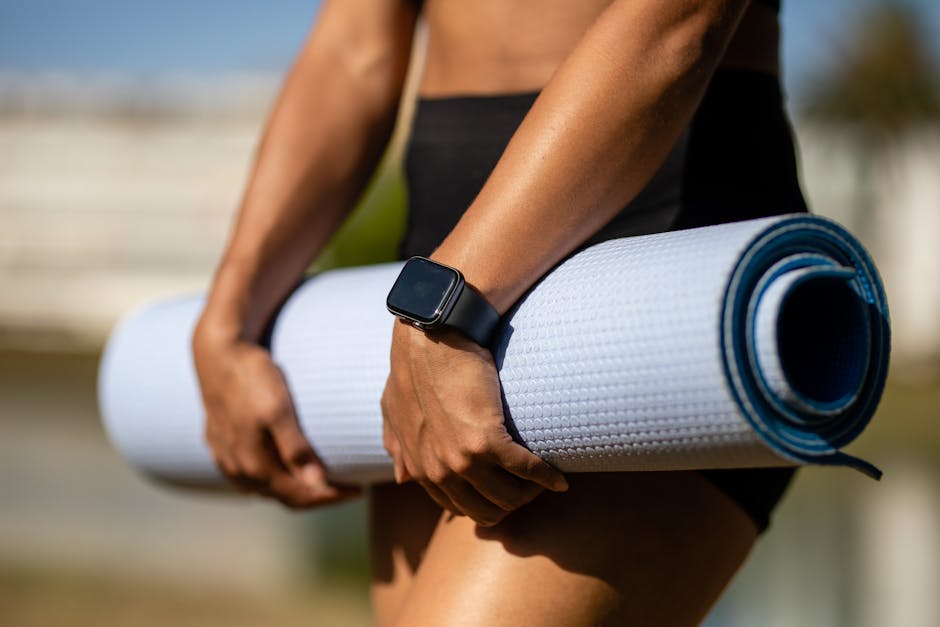


Surprising Data on Marathon Wearables: Accuracy and User Preferences
I get asked about this all the time.
Recent research by the NIH shows that GPS accuracy and heart rate monitoring can significantly impact marathon training outcomes. In a 2023 survey from Statista, 42% of runners reported switching fitness wearables due to poor battery life or inaccurate metrics.
Key Takeaways:
- Garmin Forerunner 265 offers superior GPS accuracy tailored for endurance runners.
- Apple Watch Series 10 excels in health ecosystem integration and smartwatch features.
- Battery life and water resistance differ notably, affecting long training sessions.
- Price points reflect distinct target audiences and functionality focus.
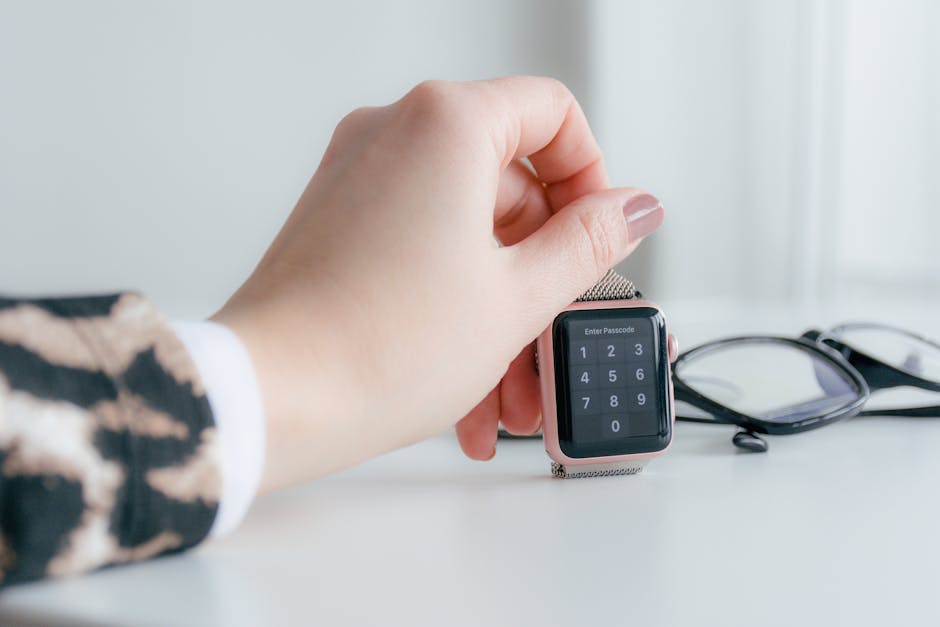
Quick Verdict
Both the Garmin Forerunner 265 and Apple Watch Series 10 offer compelling features for marathon training. Garmin’s Forerunner 265 leads in GPS precision and tailored running metrics, while Apple Watch Series 10 excels in overall health tracking and smartwatch versatility. Your choice depends largely on your training priorities—pure running data vs. ecosystem integration.

Spec Comparison: Garmin Forerunner 265 vs Apple Watch Series 10
| Feature | Garmin Forerunner 265 | Apple Watch Series 10 |
|---|---|---|
| Display | 1.3″ AMOLED, 416×416 pixels | 1.9″ Retina LTPO OLED, 396×484 pixels |
| Battery Life | Up to 15 days (Smartwatch mode), 20 hrs (GPS mode) | Up to 18 hrs (mixed usage), ~6 hrs (GPS workout) |
| GPS Accuracy | Multi-band GNSS, 1-2m accuracy | Dual-frequency GPS, 2-5m accuracy |
| Heart Rate Sensor | Elevate Gen 4, high-precision optical HR | Next-gen optical HR sensor with ECG support |
| Water Resistance | 5 ATM (50 meters) | WR50 (50 meters) |
| Weight | 49g | 51g |
| Storage | 32 GB (music + apps) | Up to 64 GB |
| Connectivity | Bluetooth, ANT+, WiFi | Bluetooth, WiFi, UWB, LTE option |

Pricing Comparison
| Device | Base Price (USD) | Premium Edition Price (USD) |
|---|---|---|
| Garmin Forerunner 265 | $399.99 | $499.99 (Music Edition) |
| Apple Watch Series 10 | $399 (GPS version) | $499 (GPS+Cellular version) |

Pros and Cons
Garmin Forerunner 265
- Pros: Advanced GPS accuracy with multi-band GNSS; excellent battery life for long runs; detailed running metrics (VO2 max, Training Load, Recovery Time); robust water resistance; customizable watch faces and widgets.
- Cons: Less polished smartwatch features; no LTE connectivity; smaller app ecosystem compared to Apple.
Apple Watch Series 10
- Pros: Seamless integration with iOS ecosystem; advanced health sensors (ECG, blood oxygen); wide app selection; cellular connectivity option; bright, large OLED display.
- Cons: Shorter battery life during GPS workouts; GPS accuracy slightly behind Garmin’s specialized system; higher price for cellular model.
This next part is where it gets interesting.
In-Depth Analysis: Marathon Training Features
Marathon training demands precise pacing, distance accuracy, and recovery insights. Garmin’s Forerunner 265 is purpose-built for endurance athletes, featuring multi-band GNSS technology that reduces GPS drift in dense urban environments or wooded trails. According to Wirecutter’s 2024 review, Garmin’s latest GPS watches outperform Apple in location tracking consistency, a crucial metric for marathoners.
Apple Watch Series 10 introduces dual-frequency GPS, which narrows the accuracy gap. However, battery life under continuous GPS use remains a limiting factor for ultramarathoners or extended training sessions, as noted by PCMag.
Both devices provide heart rate variability (HRV) and recovery time estimates, but Garmin integrates this data into training load analytics that guide optimal rest and effort balance. Apple’s health app focuses more on general wellness trends.
Implications for Marathon Training
Choosing the right device can influence training efficiency. Garmin’s superior GPS accuracy and longer battery life allow runners to confidently track long-distance runs without interruptions. Its tailored running metrics support structured training plans.
In contrast, Apple Watch’s ecosystem wins points for users wanting a multifunctional device that doubles as a smartwatch with rich communication and health tracking features, especially useful for those who value integration with iPhone and Apple Fitness+.
This next part is where it gets interesting.
Which One Should You Pick?
Choose Garmin Forerunner 265 if:
- You prioritize marathon-specific metrics and GPS precision.
- You need longer battery life for extended training or races.
- You want in-depth training analytics and recovery insights.
Choose Apple Watch Series 10 if:
- You want a wearable that balances fitness with daily productivity.
- You are deeply invested in the Apple ecosystem.
- You seek advanced health sensors alongside running features.
Frequently Asked Questions
Is Garmin Forerunner 265 suitable for beginner marathoners?
Yes, its guided training plans and detailed metrics can support beginners, although the interface may require some learning.
Can Apple Watch Series 10 track marathon race segments accurately?
It provides reliable tracking but may be slightly less precise compared to Garmin, especially in challenging GPS environments.
How do the battery lives compare for daily use vs. marathon training?
Garmin offers up to 15 days in smartwatch mode and 20 hours with GPS, whereas Apple Watch lasts about 18 hours daily and 6 hours with GPS.
Do both devices offer waterproofing suitable for triathlon training?
Both have 5 ATM/50m water resistance, suitable for swimming and water exposure during triathlons.
This is informational content, not medical advice.
📌 You May Also Like
🔍 Explore More Topics
🔗 Helpful Resources