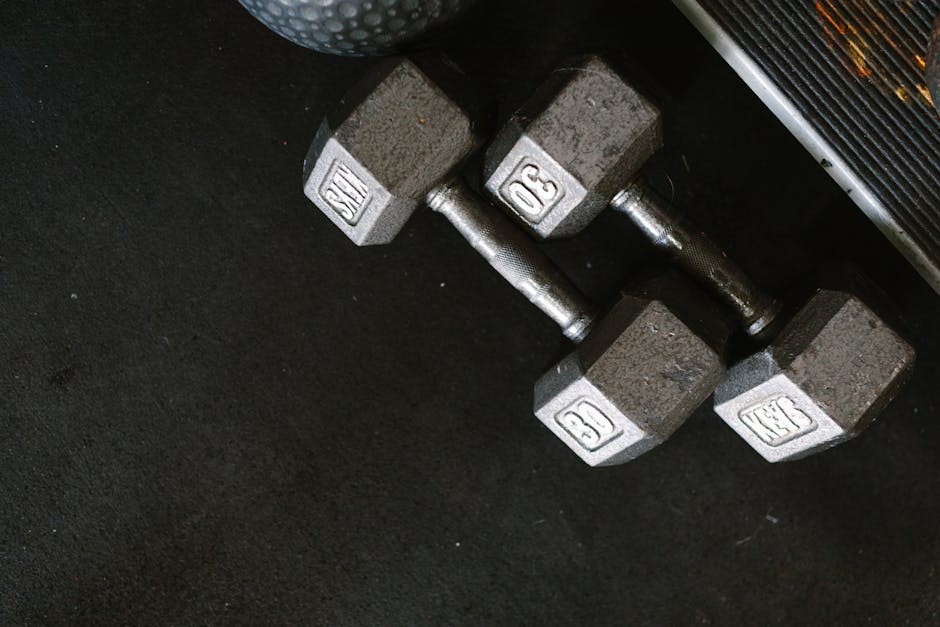

A 2023 NIH review on physical activity adherence found that convenience and access remain two of the biggest predictors of whether people actually stick with exercise. That matters because the smartest home gym setup is rarely the biggest one. It is the one you will use consistently, safely, and without blowing your budget.
Key Takeaways: You do not need a room full of machines to build an effective home gym under $500. The strongest value usually comes from a mix of adjustable resistance, compact cardio, recovery support, and one app or sensor that improves form, progression, or consistency.
For this guide, the goal is simple: identify home gym equipment that delivers meaningful training value under $500, with a bias toward compact gear, measurable progression, and evidence-based usefulness. Where relevant, this review includes connected features, battery life, app support, and tracking accuracy, because modern fitness buyers are often comparing not just equipment, but the tech ecosystem around it.
Sources referenced here include exercise guidance from Mayo Clinic, research indexed by the NIH, and product testing methodologies from outlets such as Wirecutter and PCMag. This is informational content, not medical advice.

Why budget home gyms are getting smarter
The old assumption was that a serious home gym required a squat rack, full dumbbell set, treadmill, and a dedicated room. That model is expensive, space-hungry, and unrealistic for most apartments and smaller homes.
Today, a more practical setup often combines one strength anchor, one conditioning tool, and one digital coaching layer. That approach fits the evidence better too. Mayo Clinic guidance consistently emphasizes regular resistance training, aerobic work, and mobility rather than dependence on any single machine.
In other words, the best home gym equipment under $500 is not one “miracle” device. It is gear that covers multiple movement patterns, supports progressive overload, and removes friction from daily training.

What to look for before you buy
Before comparing products, it helps to define the features that actually matter. Marketing tends to overemphasize novelty, but most buyers should focus on five filters.
- Training versatility: Can it cover push, pull, hinge, squat, carry, or conditioning work?
- Footprint: Will it fit under a bed, in a closet, or in a corner?
- Progression: Can you make workouts harder over time without replacing the whole system?
- Durability: Are materials, moving parts, and warranty reasonable for the price?
- Tech usefulness: Does the app, display, or sensor improve coaching or accountability, or is it just decoration?
That last point matters more than many shoppers think. PCMag and Wirecutter reviews often separate useful connected features from the kind that look good in ads but do little for real training outcomes.
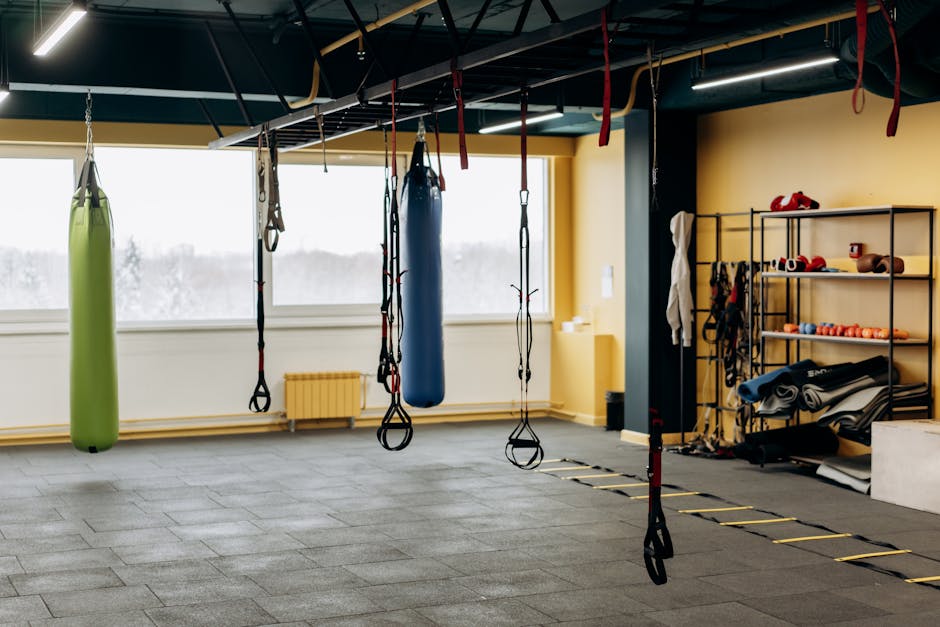
Comparison table: top home gym equipment under $500
| Product | Category | Typical Price | Key Features | Battery Life | Accuracy / Tracking | Water Resistance |
|---|---|---|---|---|---|---|
| Bowflex SelectTech 552 | Adjustable dumbbells | $429-$499 | 5-52.5 lb range, dial adjustment, compact replacement for multiple dumbbells | N/A | N/A | N/A |
| TRX All-in-One Suspension Trainer | Bodyweight trainer | $179-$229 | Portable straps, anchor system, full-body training | N/A | N/A | Sweat-resistant materials |
| Concept2 RowErg (used market often under $500) | Cardio machine | $400-$500 used | Air resistance, PM5 monitor, foldable storage | PM5 uses 2 D-cell batteries | Widely trusted pace and distance tracking | Indoor use only |
| Kettlebell Kings or REP Adjustable Kettlebell | Strength / conditioning | $199-$299 | Adjustable load, swings, cleans, presses, carries | N/A | N/A | N/A |
| Echelon or YOSUDA magnetic exercise bike | Cardio bike | $250-$499 | Magnetic resistance, compact footprint, tablet support | Console varies; often AAA batteries or plug-in | Cadence and calorie estimates vary by model | Indoor use only |
| Speediance Gym Monster accessories bundle alternatives / resistance platform kits | Connected resistance system | $299-$499 for lighter smart cable options | App-guided resistance, compact cable training | Rechargeable on some models, often 6-12 hrs active use | Rep counting and force estimates vary by app | Usually IPX4 or not rated |
| Theragun Mini or Hyperice Hypervolt Go 2 | Recovery device | $129-$199 | Percussion massage, portable recovery support | Approx. 2-3 hrs per charge | N/A | Not for shower/wet use |
One note on price: some premium machines only fit this guide when bought used or refurbished. That is especially true for rowing machines, which often hold value better than budget treadmills.

7 smart picks worth considering
1) Adjustable dumbbells for full-body strength
If you want one purchase that covers the widest range of evidence-based training, adjustable dumbbells remain the strongest candidate. A set like the Bowflex SelectTech 552 can replace a long row of fixed dumbbells while still enabling presses, rows, split squats, Romanian deadlifts, and carries.
For beginners and intermediate users, that range is enough for months of progression. The tradeoff is shape and balance. Adjustable dumbbells are convenient, but some lifters find them less natural than fixed hex dumbbells during explosive moves.
Still, from a cost-per-exercise perspective, this category is hard to beat under $500.
2) Suspension trainers for small spaces
Suspension systems like TRX look simple, but their usefulness is backed by an important behavior advantage: they are easy to set up and easy to store. That lowers friction, which research on exercise adherence repeatedly identifies as a major factor in consistency.
You can train pushing, rowing, core stability, assisted squats, and single-leg work from a doorway anchor. The main limitation is maximal strength loading. These systems are excellent for bodyweight progression, but they are not direct substitutes for heavy external resistance.
3) Adjustable kettlebells for strength plus conditioning
An adjustable kettlebell is one of the most efficient tools for people who want strength and cardio in the same session. Swings, goblet squats, cleans, presses, and Turkish get-ups build power, grip, and trunk stiffness without a giant footprint.
For buyers who like short, intense workouts, this is often a better value than an entry-level cardio machine. Technique matters, though. Beginners may want app-based coaching or guided video instruction to avoid turning kettlebell sessions into low-back fatigue sessions.
4) A used rower if you want low-impact cardio
Rowing deserves more attention in the sub-$500 conversation, particularly on the used market. A well-maintained Concept2 RowErg is often the gold standard for home cardio because it offers reliable performance data, low-impact conditioning, and long-term durability.
The PM5 monitor is one reason it remains popular. It can track pace, distance, intervals, and heart rate pairing more consistently than many budget cardio consoles. If you care about measurable conditioning rather than just generic calorie numbers, that matters.
The downside is size and market availability. Under $500 usually means buying secondhand, and you should inspect chain condition, rail wear, and monitor function before purchasing.
5) Compact magnetic exercise bikes for easy adherence
Budget indoor bikes are not always glamorous, but they are often realistic. For people trying to rebuild consistency, convenience beats perfection. A compact magnetic bike is quiet, apartment-friendly, and easy to pair with streaming classes or a tablet-based training app.
Accuracy is where buyers should stay skeptical. Cheaper bikes can be fine for general cardio, but onboard calorie and distance estimates are often rough. Wirecutter and PCMag-style testing frequently notes that budget cardio equipment varies widely in console quality, even when the pedaling feel is decent.
If your main goal is daily movement, zone 2 work, or low-impact rehab-adjacent exercise cleared by a clinician, bikes can be a practical choice. Just do not overvalue the built-in metrics.
6) Smart resistance platforms and cable systems
The fitness tech category is full of ambitious connected resistance products, but many exceed the $500 ceiling. That said, lighter smart cable systems and app-linked resistance platforms occasionally slide into this range through discounts, bundles, or entry models.
The appeal is obvious: guided workouts, digital resistance settings, rep counting, and more structured progression. The concern is equally obvious: accuracy and long-term support vary a lot. Some systems estimate force and reps well enough for general training, while others feel more like gadget demos than dependable equipment.
If you are buying for motivation and coaching, this category can make sense. If you are buying for raw value per dollar, traditional equipment usually wins.
7) Recovery tools as a secondary buy, not a primary one
Percussion massagers such as the Theragun Mini or Hypervolt Go 2 are popular, compact, and often discounted. They can help with perceived soreness relief and routine recovery, but they should not be your first purchase if you do not yet own basic strength or cardio equipment.
NIH-indexed research on recovery modalities suggests that some tools can improve comfort and short-term readiness, but they do not replace progressive training, sleep, or adequate nutrition. In budget terms, recovery devices are a nice layer on top of a smart setup, not the setup itself.
Here’s where most people get it wrong.

Which type gives the best value for different goals?
Different goals call for different spending priorities. This is where many under-$500 buyers make the wrong move: they buy the most impressive-looking machine instead of the most useful training system.
- For fat loss support: Choose adjustable dumbbells or a kettlebell plus a bike or rower if budget allows. Resistance training helps preserve lean mass while cardio helps increase total activity.
- For strength beginners: Adjustable dumbbells are the safest all-around starting point.
- For small apartments: TRX plus an adjustable kettlebell is a strong compact combo.
- For low-impact cardio: A rower or magnetic bike makes more sense than cheap treadmills in this price range.
- For tech-motivated users: A simpler bike with a strong app subscription may outperform a flashy but unreliable smart device.
That last point is worth underlining. Science supports the value of consistency, progression, and adherence far more strongly than the value of novelty. If an app ecosystem keeps you engaged, that can matter. But if a connected product is expensive, hard to maintain, or too specialized, it may quickly turn into unused furniture.
A better under-$500 setup than buying one big machine
For most households, the strongest strategy is not spending all $500 on one item. It is building a small system. Here is a more balanced example:
| Setup | Estimated Cost | What It Covers |
|---|---|---|
| Adjustable kettlebell + TRX + exercise mat | $260-$380 | Strength, conditioning, mobility, travel-friendly training |
| Adjustable dumbbells + resistance bands | $450-$520 | Progressive strength training with accessory work |
| Budget magnetic bike + dumbbells | $400-$500 | Cardio plus full-body resistance training |
| Used rower + mobility tools | $450-$500 | Low-impact conditioning and recovery support |
If you are trying to maximize training coverage, mixed setups usually outperform a single-purpose machine. A compact multi-tool gym is often more sustainable than one large cardio device that only serves one mode of exercise.
Common buying mistakes to avoid
- Overpaying for weak tech: A mediocre app does not justify inflated hardware pricing.
- Ignoring progression: Equipment that cannot scale with you becomes obsolete fast.
- Buying for aspiration, not behavior: Choose gear for workouts you will actually do three times a week.
- Trusting calorie numbers too much: Budget machines often estimate energy burn poorly.
- Skipping used markets: Refurbished or secondhand premium equipment can be smarter than buying new low-end gear.
Mayo Clinic guidance on exercise planning supports a simple principle: match the tool to the routine you can sustain. That sounds obvious, but it is exactly where many home gym budgets get wasted.
But here’s the catch.
You May Also Like
- Peloton vs NordicTrack: Home Bike Showdown (2025)
- Apple Watch vs Galaxy Watch: Workout Accuracy (2025)
- Standing Desk: 7 Things to Know Before You Buy
FAQ
What is the best home gym equipment under $500 for beginners?
For most beginners, adjustable dumbbells offer the best combination of versatility, progression, and long-term usefulness. If space is very limited, a suspension trainer plus an adjustable kettlebell is also a strong choice.
Are smart home gym devices under $500 worth it?
They can be, but only if the app coaching improves consistency. In pure value terms, traditional strength tools often beat budget smart devices because they are simpler, more durable, and less dependent on software quality.
Is a rowing machine better than an exercise bike for home use?
It depends on your goal. A rower typically provides more full-body engagement and more trusted training metrics on premium models, while a bike is often quieter, easier for beginners, and more convenient for daily low-intensity cardio.
Should I buy one machine or build a small setup?
In most cases, a small setup wins. Combining one resistance tool with one cardio or mobility option usually delivers better training coverage than putting the entire budget into a single large machine.
Bottom line: the best home gym equipment under $500 is usually equipment that does more than one job. Adjustable dumbbells, suspension trainers, kettlebells, and carefully chosen cardio machines consistently offer the strongest value because they align with how people really train at home: in small spaces, with limited time, and with a need for simple, repeatable routines.
This is informational content, not medical advice.
📌 You May Also Like