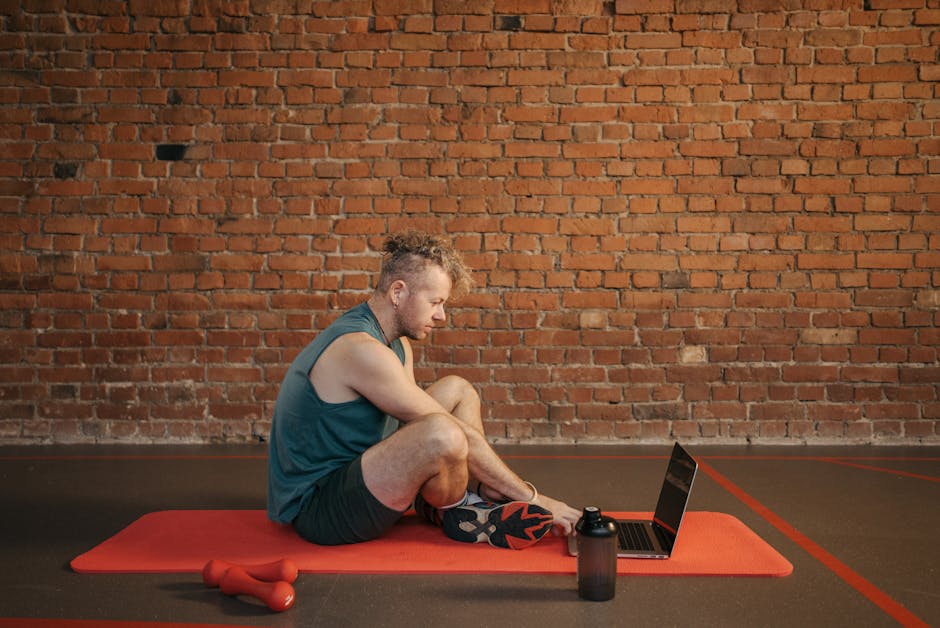


Startling Growth in Home Gym Popularity
According to a 2023 Statista report, home gym equipment sales surged by 45% in the past three years, driven by convenience and cost-efficiency. This trend aligns with a broader shift towards personalized fitness solutions outside traditional gyms (Statista, 2023).
Key Takeaways:
– Building a home gym is achievable at various budgets, from under $200 to over $2000.
– Essential equipment varies based on fitness goals: strength, cardio, flexibility.
– Smart budgeting includes balancing equipment quality, versatility, and space.
– Technology integration (apps, wearables) can enhance workout efficiency.
– Home gyms reduce barriers to exercise but require strategic planning.
Understanding Your Fitness Goals and Space
Before investing, clarify what you want: muscle gain, weight loss, endurance, or flexibility. The Mayo Clinic notes that goal-specific training boosts adherence and results (Mayo Clinic, 2022). Space constraints also dictate equipment size and quantity.
Budget Categories Explained
- Under $200: Basic resistance bands, jump ropes, yoga mats.
- $200–$800: Adjustable dumbbells, kettlebells, compact cardio machines.
- $800+: Multi-station gyms, treadmills, smart equipment.

Essential Home Gym Components by Budget
Budget-Friendly Starter Setup (<$200)
Resistance bands provide scalable resistance suited for strength and flexibility training. A high-density yoga mat supports floor exercises and stretching. Jump ropes offer cardiovascular benefits with minimal space and cost.
Mid-Range Setup ($200–$800)
Adjustable dumbbells (e.g., Bowflex SelectTech) offer space-efficient weight progression. Compact cardio machines such as foldable ellipticals or rowing machines add endurance training without large footprints.
Premium Setup ($800+)
Multi-station gyms integrate strength training for various muscle groups. Smart treadmills and bikes (Peloton, NordicTrack) include interactive classes and performance tracking, merging fitness tech with equipment.
This next part is where it gets interesting.
Comparing Popular Equipment Options
| Feature | Adjustable Dumbbells | Resistance Bands | Compact Treadmills |
|---|---|---|---|
| Price Range | $150–$400 | $15–$50 | $500–$1,200 |
| Space Required | Small | Minimal | Moderate |
| Versatility | High (strength) | Moderate (strength, flexibility) | High (cardio) |
| Durability | High | Moderate | High |
| Technology Integration | Low | None | High (apps, tracking) |

Integrating Fitness Technology Without Breaking the Bank
Wearables like Fitbit Inspire 3 or Xiaomi Mi Band offer heart rate monitoring, sleep tracking, and step counting for under $100. Free or low-cost apps (Nike Training Club, FitOn) provide guided workouts tailored to equipment availability.
Cost vs. Benefit Analysis: When to Invest More
Data from G2 user reviews reveals that equipment durability and user engagement improve with moderate to premium investments, particularly for cardio machines and multi-gyms. However, for beginners or limited space, low-cost tools paired with fitness apps yield substantial benefits (G2, 2023).
This is the part most guides skip over.

Sample Home Gym Builds by Budget
| Budget | Equipment | Estimated Cost |
|---|---|---|
| Under $200 | Resistance bands, yoga mat, jump rope | $150 |
| $200–$800 | Adjustable dumbbells, foldable elliptical, yoga mat | $600 |
| $800+ | Multi-station gym, smart treadmill, wearables | $2,500+ |
Maintaining Motivation and Consistency at Home
NIH research highlights that consistent exercise adherence is enhanced by variety, social support, and progress tracking (NIH, 2021). Smart devices offering interactive features or community challenges can improve engagement.
Now, here’s what most people miss.
This is the part most guides skip over.

Implications for Home Gym Enthusiasts
Building a home gym aligns with the growing preference for flexible, accessible fitness routines. Strategic equipment selection tailored to budget and goals maximizes return on investment. Interfacing fitness technology can elevate workout quality and motivation.
Recommendations for Different User Profiles
- Beginners/Small Space: Start with resistance bands and bodyweight exercises complemented by free apps.
- Intermediate: Add adjustable dumbbells and compact cardio machines for balanced training.
- Advanced/Tech-Savvy: Invest in multi-station gyms and smart cardio devices with integrated tracking.
You May Also Like
- Noom vs WeightWatchers: Sustainable Weight Loss Apps Compared (2026)
- Noom vs WeightWatchers: Behavioral Tracking for Weight Loss (2026)
- Calm vs Headspace: Which App Eases Sleep and Anxiety Better?
FAQ
What is the minimum equipment needed for a home gym?
Resistance bands, a yoga mat, and basic cardio tools like a jump rope suffice for foundational workouts.
Are smart fitness devices worth the extra cost?
They enhance motivation and tracking but are not essential. Budget and personal preference determine value.
How much space is necessary for a home gym?
Minimal setups require under 20 sq ft; larger machines need 40+ sq ft.
Can I build a home gym for under $200?
Yes, with careful selection of versatile, low-cost equipment and free digital resources.
This is informational content, not medical advice.
📌 You May Also Like
🔍 Explore More Topics
🔗 Helpful Resources