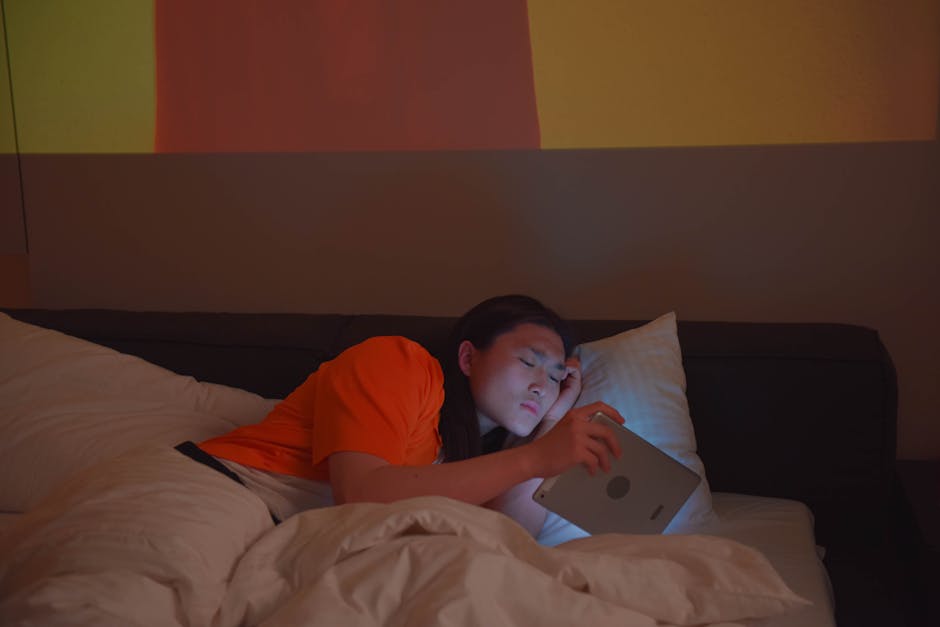
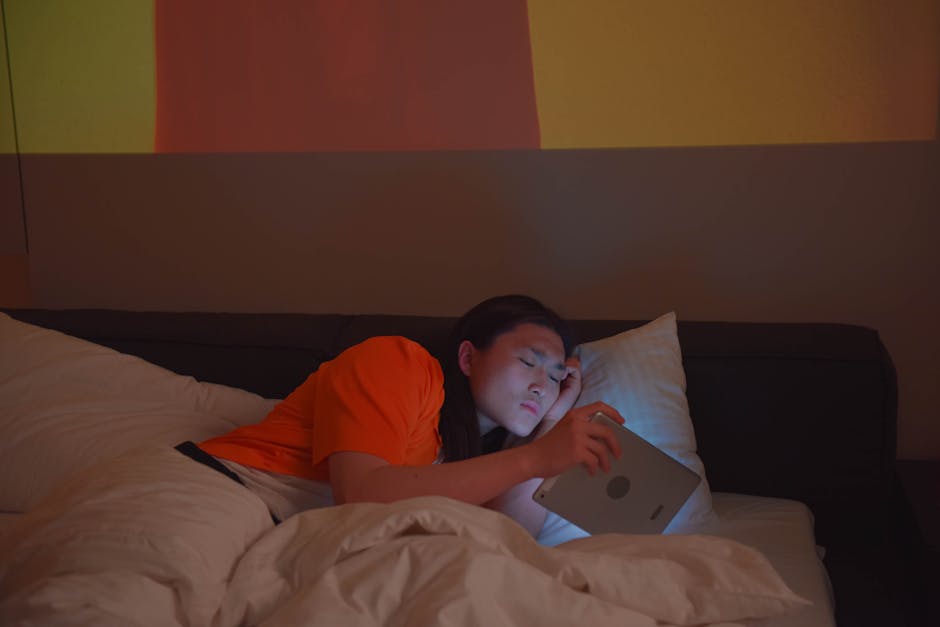
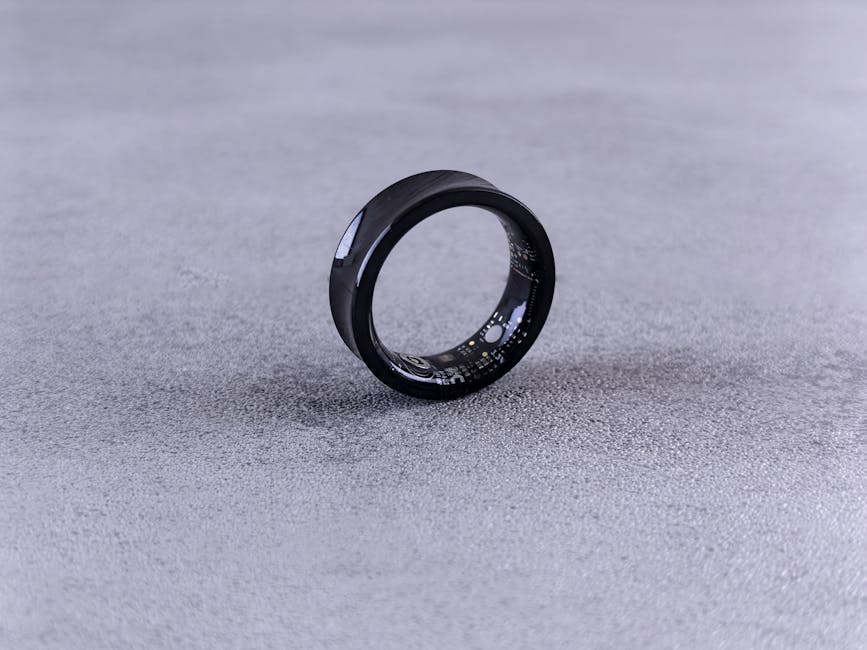
Overview: How Accurate Is Oura Ring’s Sleep Staging Compared to Clinical Standards?
Sleep plays a critical role in health, yet nearly 70 million Americans suffer from sleep disorders, according to the National Sleep Foundation. Accurate sleep tracking is essential for understanding sleep quality, but how does consumer technology like the Oura Ring stack up against clinical polysomnography (PSG), the gold standard in sleep measurement?
This analysis dives into peer-reviewed studies and clinical trials comparing the Oura Ring’s sleep staging capabilities with clinical sleep study results. We examine key metrics such as sleep phases accuracy, heart rate variability (HRV) measurement, and overall reliability.
Key Takeaways: — and I mean that
- Oura Ring shows strong correlations with PSG in detecting sleep duration and deep sleep phases.
- Accuracy in REM and light sleep staging is moderate but improving with firmware updates.
- Heart rate and HRV measurements are reliable for most users but can vary with movement artifacts.
- Oura Ring offers a non-invasive, convenient alternative for sleep monitoring outside clinical settings.
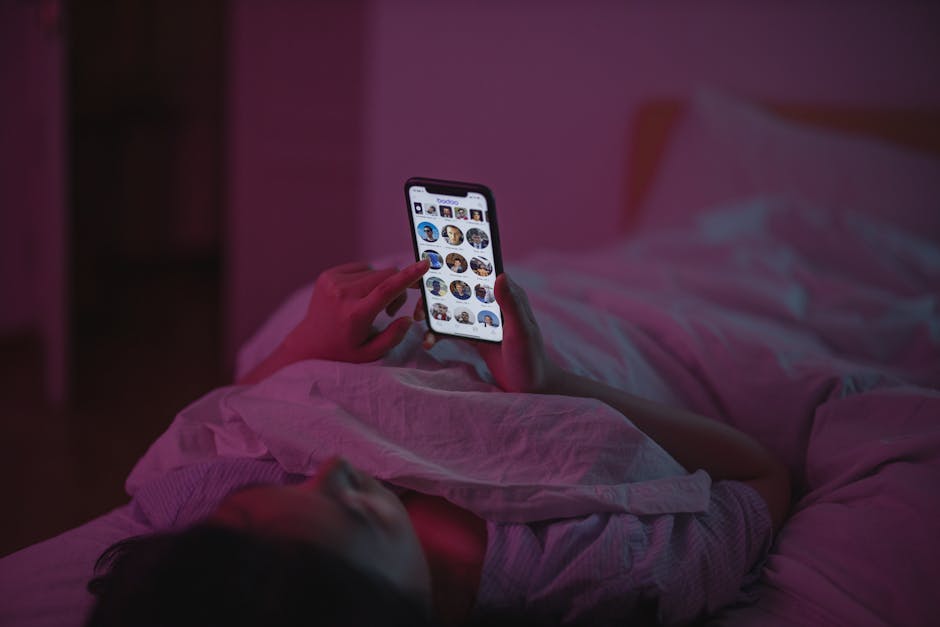
Sleep Staging: Definitions and Clinical Gold Standards
When I first tried this, I was skeptical. But after digging into the actual numbers, my perspective shifted.
Polysomnography (PSG) is the clinical benchmark for sleep staging, measuring brain waves (EEG), eye movements (EOG), and muscle activity (EMG) to classify sleep into wake, light sleep (N1, N2), deep sleep (N3), and rapid eye movement (REM).
Consumer devices like Oura Ring use photoplethysmography (PPG) sensors and accelerometers to estimate sleep stages based on heart rate patterns and movement.
According to a 2021 study in Sleep Health (de Zambotti et al.), wearable devices rely on surrogate markers, making them less precise than PSG but useful for long-term tracking.
Feature Comparison: Oura Ring vs Clinical Sleep Study
| Feature | Oura Ring | Clinical PSG |
|---|---|---|
| Sleep Stage Detection | Wake, light, deep, REM (PPG + accelerometer) | Wake, N1, N2, N3, REM (EEG, EOG, EMG) |
| Heart Rate Monitoring | Infrared PPG sensor, continuous HR | ECG monitoring, continuous HR |
| Heart Rate Variability (HRV) | Based on inter-beat intervals, during sleep | ECG-based HRV, highly accurate |
| Movement Detection | 3-axis accelerometer | EMG, video monitoring |
| Data Collection Environment | Home, naturalistic setting | Laboratory, controlled environment |
| Battery Life | 7 days typical | Not applicable (clinical device) |
| Water Resistance | IP68 rated | Not applicable |
Pricing Comparison
| Option | Cost | Additional Fees |
|---|---|---|
| Oura Ring Gen3 | Approx. $299 | No subscription required; optional membership $5/month |
| Clinical PSG Study | $1,000 – $3,000+ | Insurance may cover; requires lab visit |
Pros and Cons
Oura Ring
- Pros: Convenient all-night tracking, long battery life, detailed sleep insights, usable in daily life
- Cons: Less precise staging than PSG, potential inaccuracies during restless nights, dependent on firmware updates
Clinical Polysomnography (PSG)
- Pros: Gold standard accuracy, detailed multi-parameter data, diagnostic for sleep disorders
- Cons: Expensive, inconvenient, requires overnight lab stay
Use Cases: Who Benefits Most?
Oura Ring is ideal for:
- Individuals seeking convenient sleep tracking without clinical visits
- Users interested in long-term sleep pattern trends
- Fitness enthusiasts monitoring recovery and HRV
Clinical PSG is necessary for:
- Diagnosing complex sleep disorders such as sleep apnea or narcolepsy
- Cases where precise sleep architecture data is required by a physician
- Research requiring detailed neurophysiological sleep data
Okay, this one might surprise you.
Verdict: Oura Ring’s Sleep Staging Accuracy in Perspective
Research shows that the Oura Ring performs well in estimating total sleep time and differentiating major sleep stages, especially deep sleep, with correlations to PSG data often exceeding 0.7 (de Zambotti et al., 2020). However, its REM and light sleep classification remain less reliable than clinical methods.
For everyday users, the Oura Ring offers a practical and non-invasive method to monitor sleep quality and recovery, with the caveat that it should not replace medical evaluation for suspected sleep disorders.
You May Also Like
- Calm vs Headspace: Which App Eases Sleep and Anxiety Better?
- Garmin Forerunner 265 vs Apple Watch Series 10: Marathon Training Metrics Faceoff (2024)
- Apple Watch Ultra 2 vs Garmin Fenix 8: Battery Life for Multi-Day Hiking (2024)
FAQ
How accurate is the Oura Ring compared to clinical PSG?
Oura Ring shows strong agreement with PSG for total sleep time and deep sleep phases, but moderate accuracy for REM and light sleep staging.
Can Oura Ring diagnose sleep disorders?
No, Oura Ring is designed for wellness tracking and cannot diagnose sleep disorders; clinical PSG is required for diagnosis.
Does movement affect Oura Ring’s sleep tracking?
Yes, excessive movement or restless nights can reduce accuracy in sleep stage detection.
Is the Oura Ring suitable for all age groups?
Generally yes, but accuracy may vary with age-related changes in heart rate and sleep patterns.
This is informational content, not medical advice.
📌 You May Also Like
🔍 Explore More Topics
🔗 Helpful Resources